
Your network can be flawless, and your subscribers will still leave if nobody picks up when their Wi-Fi drops. American companies lose more than $62 billion every year to poor customer service, and telecom takes one of the biggest hits. However, most operators miss the warning signs until churn shows up in the quarterly numbers. So how do you know when your support operation has fallen behind? Here are the seven signs that telecom help desk outsourcing has moved from a nice idea to an urgent need.
Why US Telecom Operators Are Rethinking Support in 2026
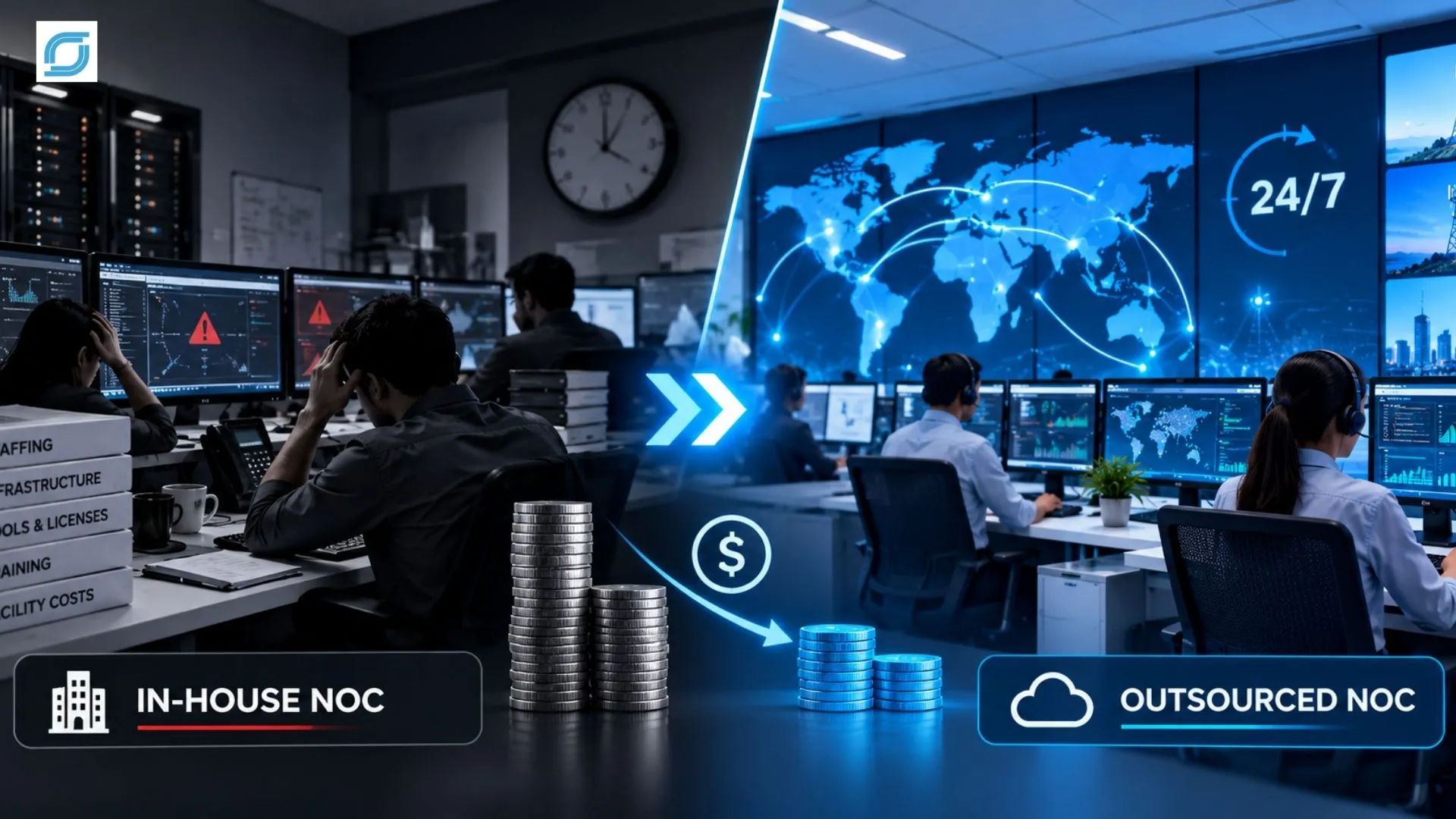
The shift is already well underway. The global help desk outsourcing market reached $10.4 billion in 2025, and North America drives roughly 38.5% of that spend, about $5.7 billion. Moreover, 2025 benchmarks show outsourced desks resolve 35% more issues on first contact while cutting per-incident costs by 30–45%. In other words, telecom support outsourcing is no longer just a cost play. Instead, it has become a quality play.The Real Pain: Support Problems Bleed Revenue Quietly
Bad support rarely fails loudly. Rather, it drains value in small daily leaks:- Every unresolved ticket pushes a subscriber toward a competitor. This is the biggest pain point. Most customers who leave over service never complain first, they just port their number.
- Each in-house ticket costs about $22 to handle manually. Multiply that by thousands of monthly calls, and support becomes a budget line nobody planned.
- Burned-out agents quit, and their knowledge leaves with them. Replacing and retraining each one costs thousands more.
- Engineers get dragged into routine tickets. Your best network minds end up resetting routers instead of building.
The 7 Signs You Need Telecom Help Desk Outsourcing
1. Hold Times Keep Climbing
Subscribers judge you by the wait, not the fix. If your average speed to answer keeps creeping past a minute, callers hang up and churn risk spikes. Meanwhile, a specialist partner staffs the demand curves, so queues stay short even during outages and iPhone launch weeks.2. First-Contact Resolution Sits Below 70%
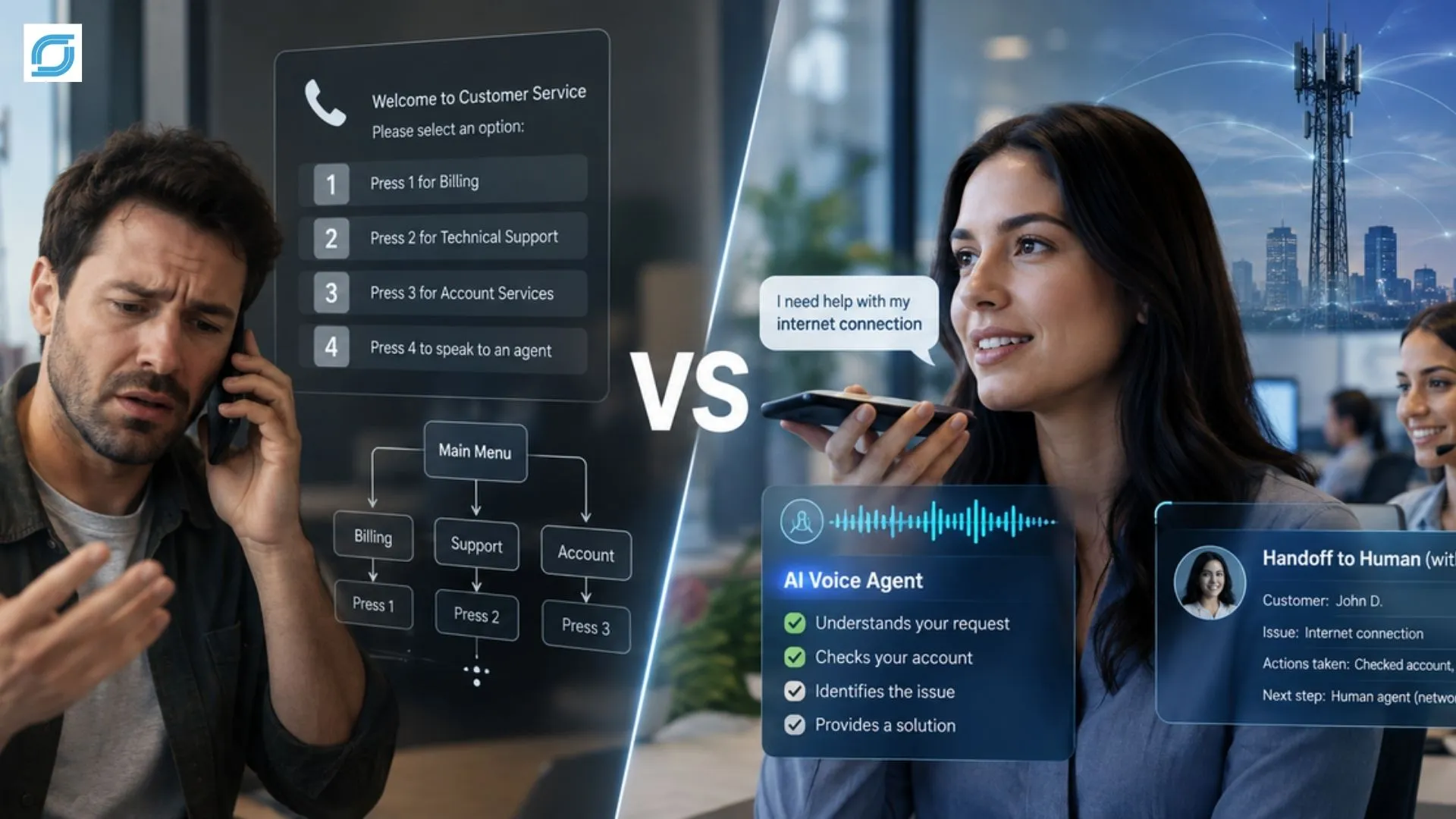
FCR is the single best predictor of support satisfaction. Many in-house telecom desks hover in the low 60s because agents lack deep product training. However, outsourced telecom desks average a 35% FCR improvement, since agents handle the same issue types all day, every day. See how AI is lifting first-contact resolution in telecom technical support even further.3. Support Costs Grow Faster Than Your Subscriber Base
Compare two growth curves: subscribers and support spend. If costs win, your model is broken. Salaries, tools, facilities, and training push a loaded US agent past $65,000 a year. Consequently, outsourcing converts that fixed burden into a flexible, per-outcome cost.4. Agent Turnover Forces Constant Retraining
US contact center attrition regularly tops 30–40% a year. Every exit restarts the training clock and drops quality on live calls. A telecom-focused partner absorbs that hiring churn for you and keeps trained specialists on your account through career paths and coaching.5. You Can’t Cover Nights, Weekends, or Spikes
Connectivity problems ignore business hours. Yet building true 24/7 in-house coverage means costly night shifts and burnout. Outsourced round-the-clock support runs 20–40% cheaper, and follow-the-sun delivery keeps American subscribers covered at 3 a.m. without premium payroll.6. Technical Escalations Swamp Your Engineers
When tier-1 agents can’t troubleshoot modems, provisioning, or 5G handoffs, tickets climb to your network team. That’s the most expensive support model possible — and deflecting those tickets carries a hidden cost most operators never measure. Instead, telecom technical support outsourcing puts trained tier-1 and tier-2 specialists in front, so engineers only see true engineering problems.7. You Have No Real-Time View of Support Quality
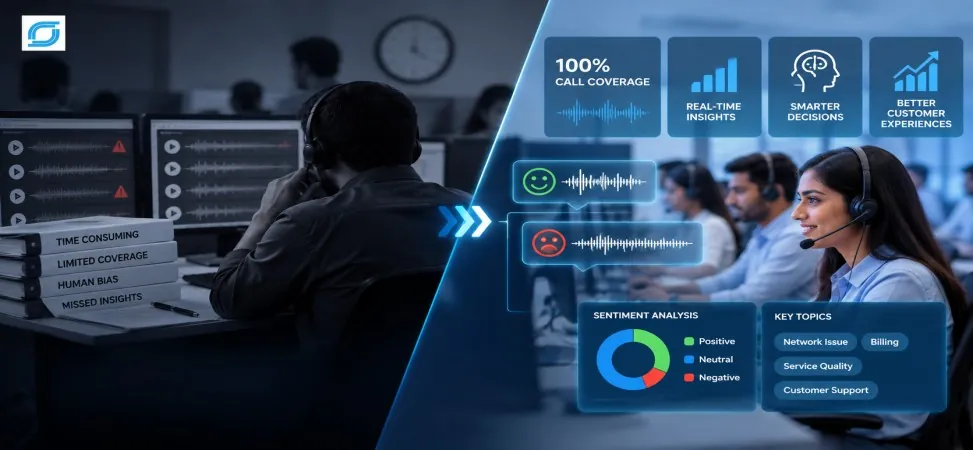
If your reporting arrives as a monthly PDF, problems hide for weeks. Modern partners monitor 100% of interactions with AI quality tools and stream live dashboards. As a result, you see resolution rates, sentiment, and queue health the moment they move.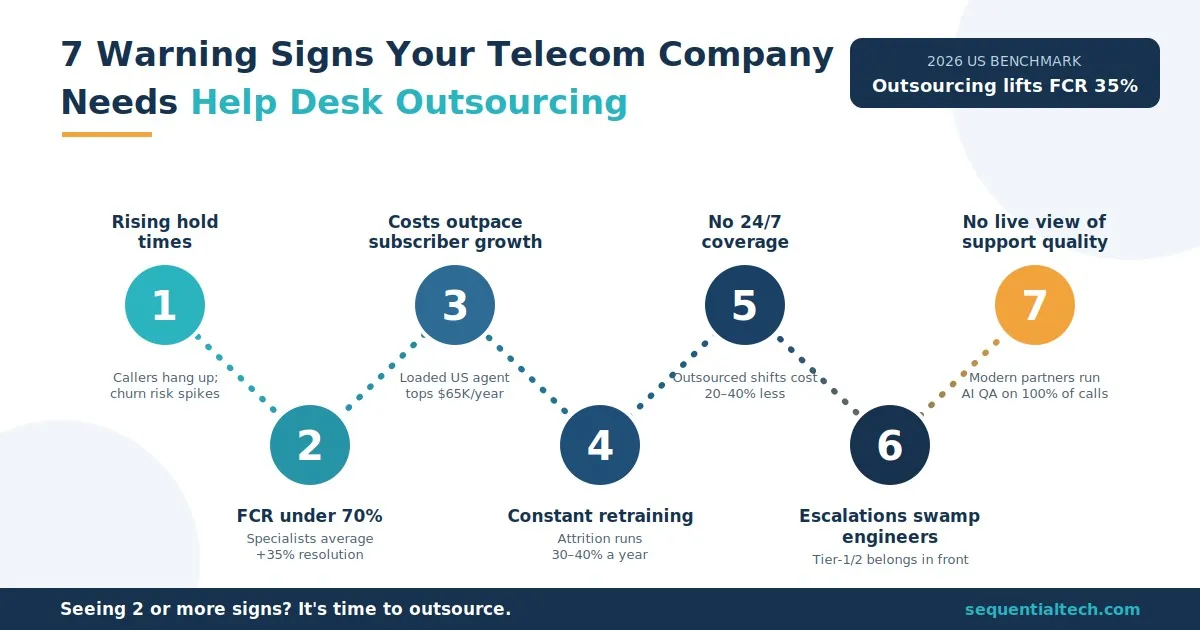
In-House vs. Outsourced: The 2025–2026 Benchmarks
Here’s what the numbers say when US operators make the switch.| Metric | Typical In-House Help Desk | With a Specialist Partner |
|---|---|---|
| Cost per incident | Around $22 per manually handled ticket | 30–45% lower per-incident cost |
| First-contact resolution | Often stuck in the low 60s (%) | 35% improvement on average |
| Average handle time | Rises as systems multiply | 28% shorter ticket handling |
| 24/7 coverage cost | Expensive night shifts and burnout | 20–40% cheaper round-the-clock support |
| Scaling for launches | Months of hiring and training | Trained telecom agents in weeks |
What to Look For in a Telecom Support Partner
Recognized a few signs? Then screen vendors carefully, because generic call centers recreate the same problems offshore. Above all, demand:- Telecom-trained agents who handle activations, billing, and connectivity daily.
- AI-powered quality monitoring across every interaction, not a 2% sample.
- Onshore, nearshore, and offshore options that fit US coverage and budget needs.
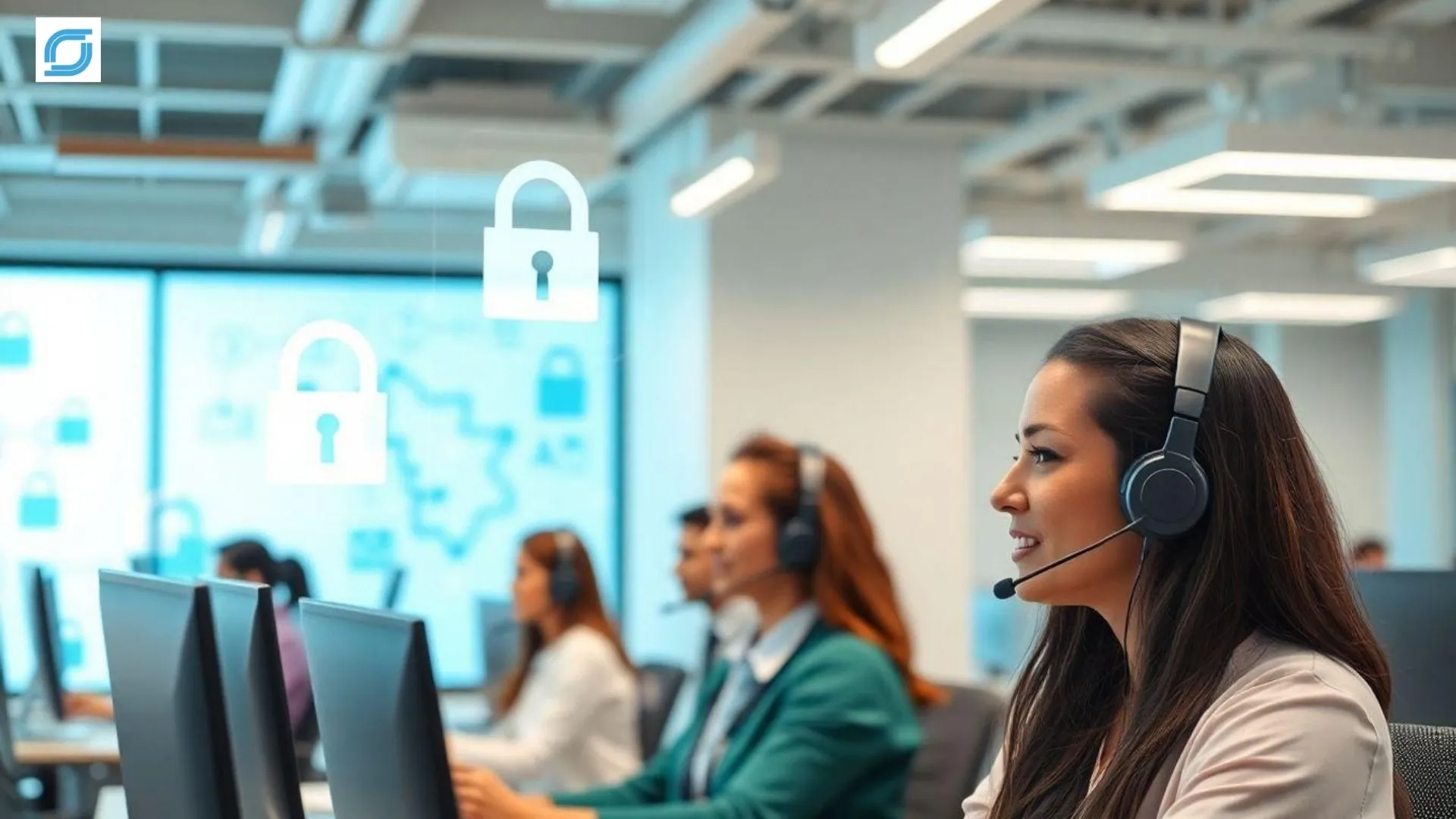
- Security certifications such as PCI DSS and SOC 2.
- Outcome-based pricing tied to FCR, CSAT, and handle time.
How the Switch Works Without Disrupting Subscribers
Worried that moving support will create chaos? A structured transition prevents that. In practice, telecom operations outsourcing follows three clear phases:- Phase 1: Discovery (weeks 1–3): the partner maps your ticket types, tools, and top call drivers, then builds telecom-specific training content.
- Phase 2: Parallel run (weeks 4–8): outsourced agents take live volume alongside your team while QA scores every interaction against your standards.
- Phase 3: Full cutover (weeks 9–12): the partner assumes target volume with SLAs active, and your dashboard tracks FCR, CSAT, and handle time daily.
The Bottom Line
None of these seven signs improves on its own. In fact, each one compounds: long waits drive repeat calls, repeat calls burn out agents, and burnout drives the turnover that started the cycle. Therefore, treat two or more matching signs as your trigger to evaluate telecom customer support partners now, before the next churn report makes the decision for you.FIX THE SIGNS BEFORE SUBSCRIBERS FEEL THEM
Sequential Tech provides telecom help desk and technical support outsourcing built for US operators. Our telecom-trained teams handle tier-1 and tier-2 technical support, customer care, billing queries, activations, and order management, with 24/7 multilingual coverage, AI-powered quality monitoring on every call, real-time dashboards, and flexible onshore, nearshore, and offshore delivery. Simply put, we turn your support operation from a warning sign into a competitive edge. Talk to Our Telecom Support Experts →Shortlisting vendors is easier with a framework: these key factors for selecting a telecom BPO provider are a practical starting point.