
Telecom technical support outsourcing that relies on call deflection may cut short-term costs, but ultimately drives higher churn, while prioritizing first call resolution builds stronger customer loyalty and long-term efficiency.
Every telecom operator has a dashboard that makes deflection look like a triumph. Calls avoided, costs trimmed, average handle time squeezed. On paper, the numbers reward avoidance. In reality, smart telecom technical support outsourcing should be judged by whether the customer’s problem actually went away, not by whether you dodged the conversation. Deflection that leaves an issue unresolved does not save money; it merely defers a more expensive bill.
The economics of first call resolution telecom teams reveal the trap clearly. According to SQM Group’s widely cited research, a single 1 percent improvement in first call resolution can save a midsize contact center roughly $286,000 a year. Furthermore, the same body of research shows that customers whose issues required four or more contacts reported satisfaction scores a staggering 47 percentage points lower than those resolved on the first call. So the cost of weak resolution is not abstract; it is churn waiting to be invoiced.
This is precisely where telecom tier 1 support earns or destroys loyalty. When a frontline team resolves a fiber dropout or a VoIP glitch cleanly, the subscriber barely remembers the incident. However, when that team deflects, transfers, and forces a callback, the subscriber remembers vividly and starts shopping. Therefore, outsourced technical support services must be designed around resolution depth, not avoidance theater.
Cutting corners on support costs more later — compare remote broadband troubleshooting done well, first-time installation success, and keeping 5G quality of experience high.
Why Repeat Contacts Are the Real Loyalty Killer
Customer effort is the quiet assassin of telecom relationships. Renowned customer experience researcher Matt Dixon, co-author of The Effortless Experience, put it plainly: resolving an issue on the first contact is one of the strongest predictors of future loyalty. His research famously found that 96 percent of customers who have high-effort experiences become disloyal, compared to a fraction of those with easy ones. In other words, the second call is far more dangerous than the first.
Consider the math from a practitioner’s angle. Len Markidan, former marketing head at Groove, illustrated the volume problem neatly: a team handling 1,000 interactions weekly at a 70 percent resolution rate is reworking 300 tickets every week. Raising resolution by just ten points eliminates thousands of repeat contacts annually. Consequently, the “cheap” deflection strategy generates a hidden mountain of avoidable rework, and that rework carries both a cost and a churn tax.
Telecom makes this worse because faults are technical and emotional at once. A dropped connection during a work call is not a minor inconvenience; it is a missed deadline and a frustrated customer. Naturally, that customer wants a fix, not a deflection script. This is why Sequential Tech structures its technical support service around tiered troubleshooting flows and diagnostics tailored to mobile, fiber, IPTV, and enterprise environments, rather than generic call-avoidance tactics.
A little gallows humor lives here. The cheapest call is the one you never resolve, right up until the customer ports out and tells everyone why.
Building Support That Resolves Instead of Deflects
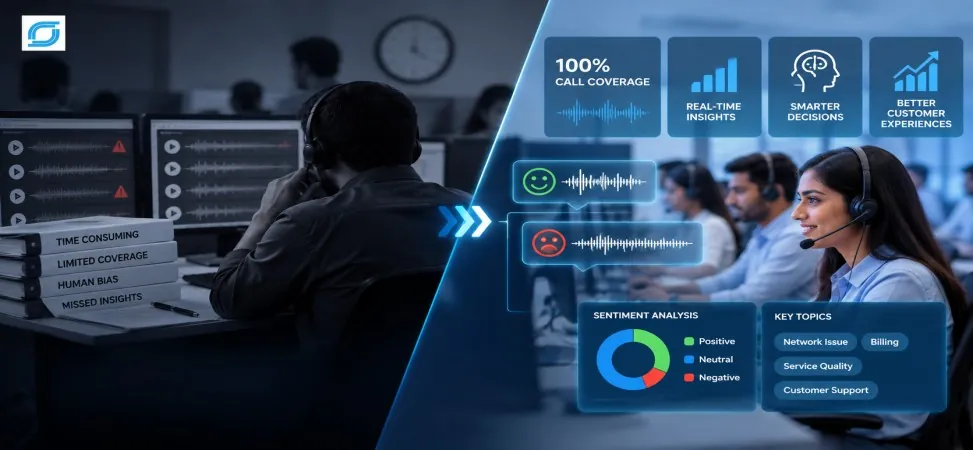
Resolution is an operational discipline, not a slogan. It depends on unified agent desktops, visible interaction history, and quality assurance that examines far more than a token sample of calls. When agents can see prior contacts and pull billing and network context into one screen, they stop guessing and start fixing. Moreover, when quality teams review a wide swath of interactions rather than one or two percent, they catch the process gaps that drive repeat calls.
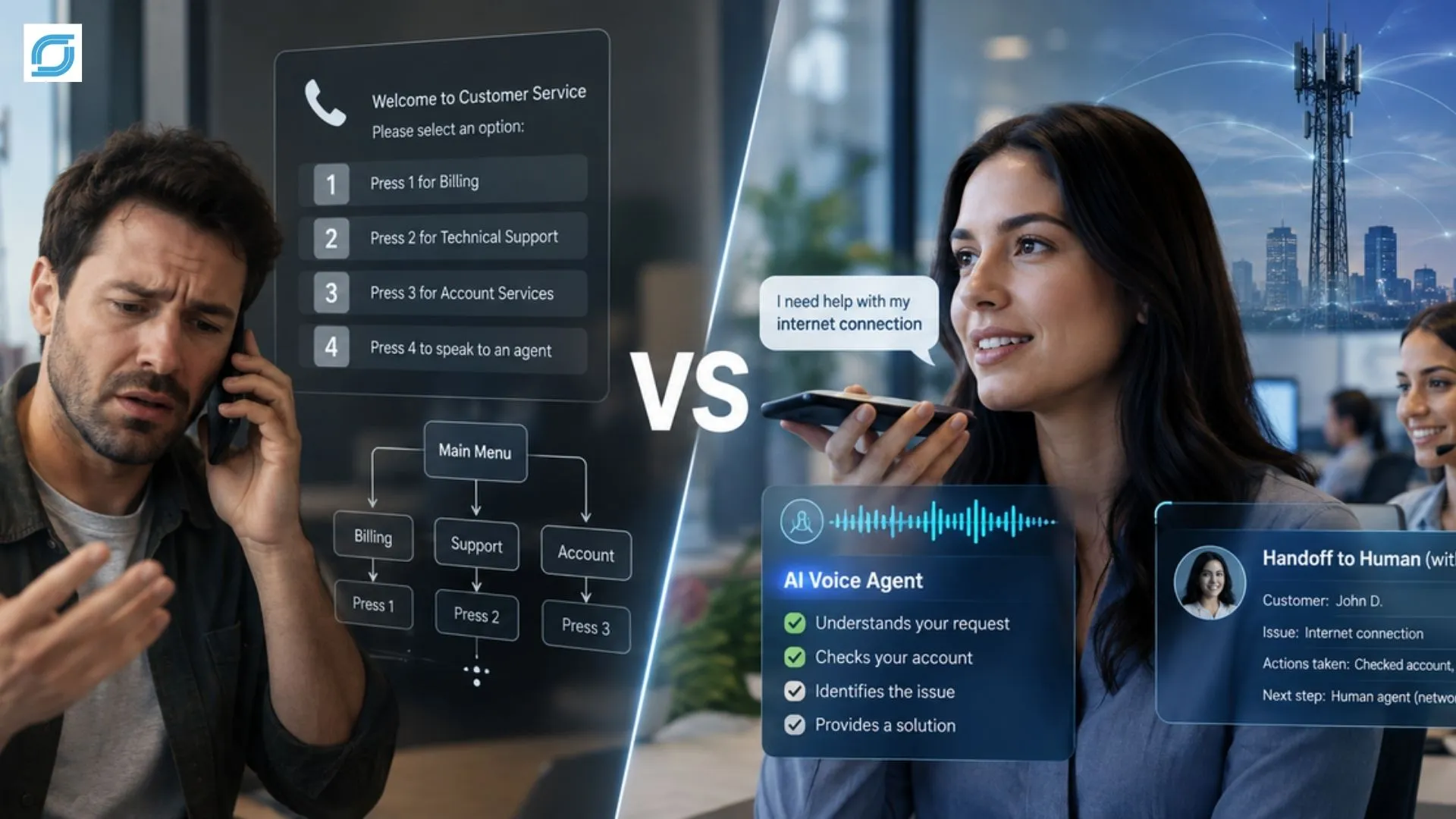
This is also where intelligent automation earns its place, used correctly. Automation should handle authentication, intent classification, and routine resets, freeing skilled agents for the genuinely complex faults. Then a human takes the hard cases with full context from the first second. As a result, the operator gets both efficiency and resolution, instead of trading one for the other. Sequential Tech pairs telecom-trained agents with AI-enabled quality tools through its broader telecom BPO services, keeping the human where empathy and judgment matter most.
The strategic reframing is simple but powerful. Stop asking how many calls you avoided, and start asking how many problems you actually solved. Industry analysts increasingly agree, with SQM Group’s data showing that every 1 percent gain in first call resolution also lifts Net Promoter Score by roughly 1.4 points. Subsequently, the operators winning on loyalty are the ones treating resolution as a revenue protection strategy, not a cost line to minimize.
Final Thought
Cheap deflection is one of telecom’s most expensive habits. It converts a single unresolved call into repeat contacts, sinking satisfaction, and eventual churn. Effective telecom technical support flips the scoreboard, measuring success by first call resolution rates rather than calls avoided.
When tier-1 support resolves cleanly, customers forget the fault and remember the ease, which is the loyalty operators want to buy. That is why smart providers invest in resolution depth through structured telecom call center outsourcing rather than avoidance theater. The dashboard that celebrates deflection is measuring the wrong thing. Solve the problem the first time, and you keep the subscriber along with the margin.