
Omnichannel telecom BPO connects customer channels, improves CX, increases agent productivity, reduces support costs, speeds resolutions, and strengthens subscriber loyalty through unified, AI-powered support.
Picture a customer who starts on live chat, follows up by email, and then finally calls your support line. Each time, they explain the same problem from scratch.
Frustrating, right?
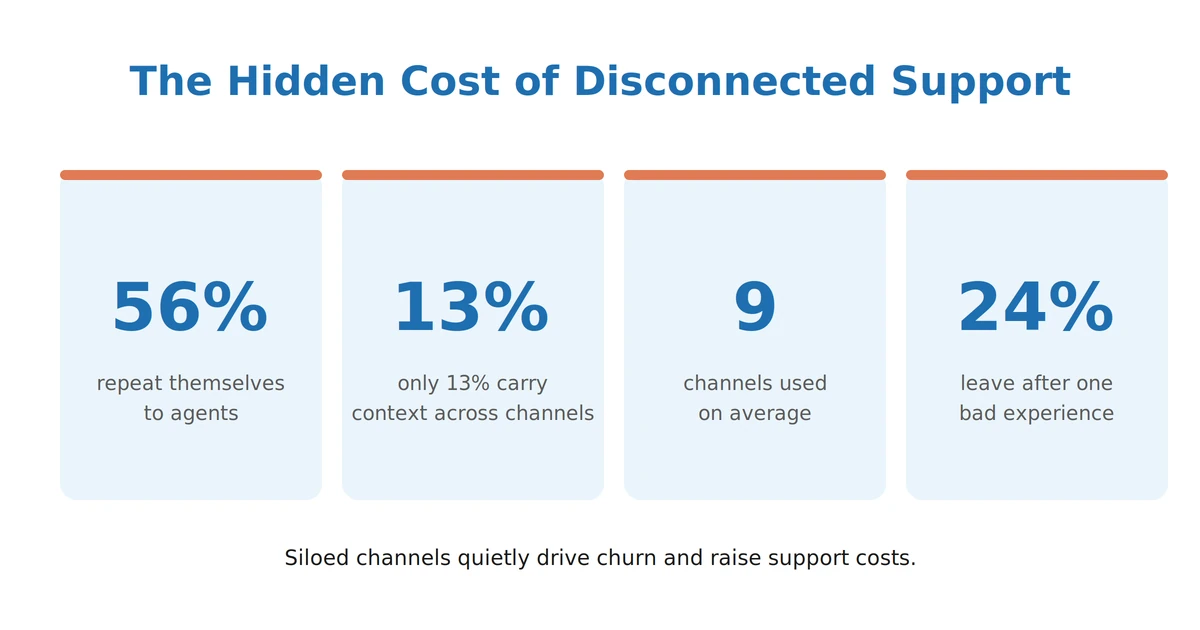
Sadly, this happens every day across telecom. In fact, 56% of customers say they must repeat themselves during support. Meanwhile, the average person now uses nine different channels to reach a single company. So the old, siloed model simply cannot keep up. Worse still, every extra repeat pushes a frustrated subscriber closer to a rival. This is exactly why omnichannel telecom BPO outsourcing is reshaping, how operators serve customers and run their operations. Here is how it works and why it matters so much in 2026.
What Omnichannel Telecom BPO Really Means
First, let us clear up the term. Multichannel support offers many channels, yet each one works alone. Omnichannel support connects them all into one smooth journey. As a result, the customer’s history follows them everywhere. Whether they switch from app to call, the agent sees the full context instantly. This may sound minor, yet it changes the entire experience.
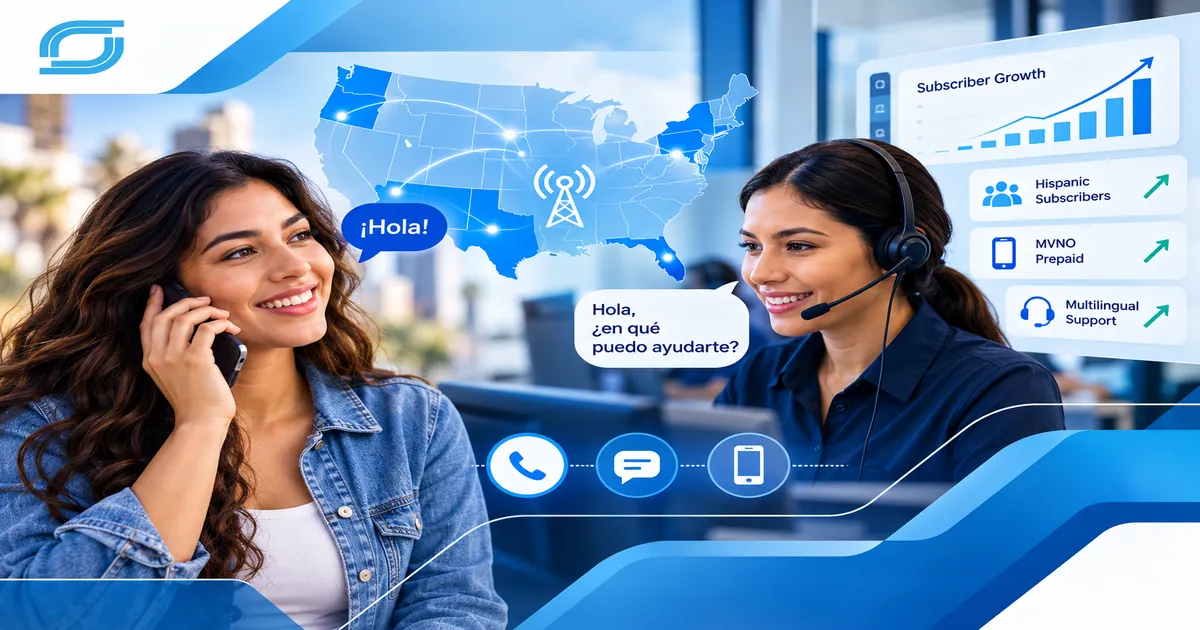
An omnichannel telecom BPO is simply a partner that runs this connected model for you. It handles voice, chat, email, social, and messaging together. Moreover, it blends skilled agents with AI tools and one shared data view. This matters because telecom support is unusually complex. Agents must juggle billing, activations, SIM swaps, and network issues, often within a single call. Today, the IT and telecom segment leads global BPO spending, which reached $358.6 billion in 2026. Clearly, operators are investing fast in these omnichannel telecom BPO services.
The Channels a Modern Telecom BPO Unifies
A true omnichannel setup brings every touchpoint together. In practice, that usually means:
- Voice for complex issues like outages and billing disputes.
- Live chat for quick, in-the-moment questions.
- Email for detailed or formal requests.
- Social media for public queries and fast replies.
- Messaging apps, such as WhatsApp, for familiar contact.
- Self-service portals and chatbots for simple, instant answers.
Crucially, these channels all share one data view, which lets a provider synchronize customer context across channels. So a customer can start on chat and finish on a call without losing a beat. Notably, messaging channels rank among the fastest growing today. Therefore, a modern telecom BPO must knit them into a single, smooth thread.
How Omnichannel Telecom BPO Transforms Customer Experience
Better telecom BPO customer experience starts with connection. When channels talk to each other, customers finally feel understood. This trust is priceless, and it builds with every smooth interaction. Rising expectations make this urgent, as 91% of service leaders say expectations climbed again in 2026. Here are four clear ways it lifts CX:
- One connected journey. Context follows the customer across every channel. Therefore, nobody has to repeat their story again. This alone removes one of the biggest sources of complaints.
- Higher satisfaction. Omnichannel support lifts CSAT to 67%, versus just 28% for disconnected setups. That gap is enormous. In a crowded market, it can define your brand.
- Stronger loyalty. Brands with strong omnichannel keep 89% of customers, compared to only 33% for weak ones. In short, omnichannel retention soars. As a result, hard-won subscribers actually stay.
- Proactive, personal care. Unified data lets agents anticipate needs early. As a result, support feels personal rather than robotic. Indeed, 73% of customers now expect brands to understand their needs.
How Omnichannel Telecom BPO Transforms Operational Efficiency
Efficiency is the other half of the story. A connected model does not just please customers. It also cuts cost and effort in a very big way. In turn, those savings free up budget for growth. Here are four ways omnichannel contact center outsourcing boosts efficiency:
- Lower costs. Integrated channels can cut service costs by up to 35%. Meanwhile, AI can nearly halve the cost per call. Together, these savings add up fast.
- Faster resolutions. A complete history trims resolution times by around 20%. Wait times also fall by up to 39%. So customers wait less and agents move on sooner.
- More productive agents. With AI assistance, agents resolve 15% more issues per hour. Furthermore, 63% of professionals say generative AI makes them faster. So teams do more without extra strain.
- Effortless scaling. A strong telecom BPO flexes with demand. Therefore, product launches and seasonal spikes no longer break service. In addition, smart self-service can deflect 40% to 60% of simple queries.
Omnichannel vs Multichannel Telecom Support
The table below shows the gap between the two models at a glance.
| Factor | Multichannel Support | Omnichannel Telecom BPO |
|---|---|---|
| Customer context | Siloed in each channel | Shared across all channels |
| Customer satisfaction | Around 28% | Around 67% |
| Retention | Around 33% | Around 89% |
| Resolution speed | Slower, repeated steps | Up to 20% faster |
| Service cost | Higher, duplicated effort | Up to 35% lower |
| Agent experience | Constant tool-switching | Unified view with AI support |
The Real Pain Point: Disconnected Channels
Most telecom brands believe they are already omnichannel. In reality, only 13% fully carry customer context across channels. That gap creates constant friction for everyone. Here is what disconnected support quietly costs you:
- Repeated conversations that annoy customers and waste agent time.
- Lost context when a chat never reaches the phone agent.
- Higher churn, since 24% of customers leave after one bad experience.
- Agent overload from switching between many separate tools.
- Slower resolutions that raise both cost and frustration.
- Weak data, because siloed channels hide the full picture.
Because these problems hide across systems, they often go unmeasured. Yet they show up clearly in churn reports and rising support costs. In many cases, disconnected support channels can undo months of good service. However, a true omnichannel model fixes these issues at the root. Therefore, the case for change has never been stronger.
Why This Shift Matters Now
Customer expectations keep climbing every single year. At the same time, competition for subscribers grows fiercer. So telecom brands cannot afford clunky, disconnected support anymore. Instead, they need one seamless experience that also controls cost. The market clearly agrees on this direction. In fact, the global telecom outsourcing market is set to grow from $33.78 billion in 2026 to $90.91 billion by 2035. Top performers already show what good looks like, resolving over 85% of issues on the first contact. Simply put, omnichannel telecom BPO outsourcing turns support from a cost center into a real growth engine. Indeed, the best telecom BPO services unite efficiency and experience. In the end, the operators who connect every channel will win the loyalty race.
Powering Seamless CX for Global Telecom Operators
Sequential Tech delivers omnichannel telecom BPO outsourcing built for both experience and efficiency. Our teams manage customer care, technical support, billing, activations, and retention across voice, chat, email, and social. In addition, we pair skilled agents with AI-powered quality tools that lift first-call resolution and reduce churn. If disconnected support is costing you customers, our telecom customer support outsourcing can unify every channel and every conversation.