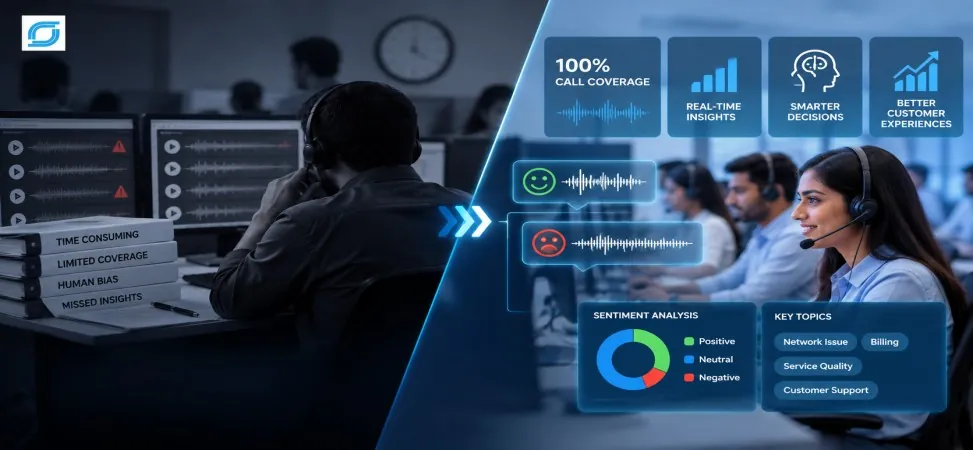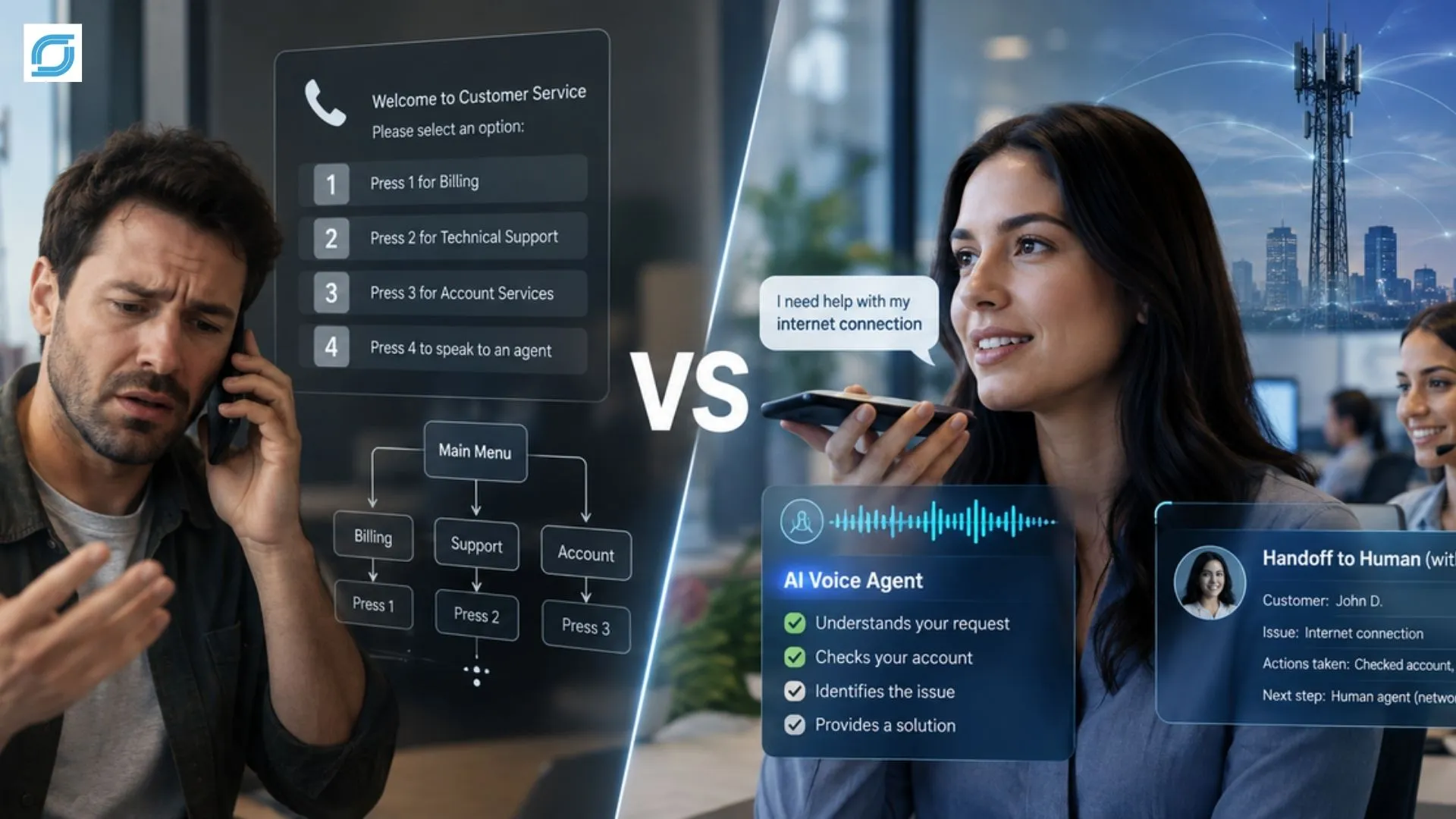

Telecom BPO services are rewriting the rules of operational efficiency — and carriers that ignore the shift are already falling behind.
Telecom BPO has moved well past the era of simple call answering. Carriers that outsource operational functions to experienced BPO partners are lifting first-call resolution, cutting cost per contact, and delivering better service. With telecom BPO behind their customer experience, providers get faster response times, personalized support, and consistent service across every touchpoint.
In Deloitte’s 2024 Global Outsourcing Survey, 83% of executives named operational efficiency their main reason for adopting BPO — a figure that’s risen three years running. The business case is no longer theoretical. It’s documented, repeatable, and getting stronger as subscriber expectations climb.
Customer experience has become a real competitive differentiator in telecom, and BPO services are well placed to close the gap between what carriers promise and what subscribers actually get.
As industry analyst Shep Hyken puts it, ‘Customer service is not a department. It is a philosophy.’ BPO partners that live by that philosophy produce outcomes in-house teams often can’t match at scale.
The efficiency gains from a telecom call center aren’t accidental. They come from structured training, dedicated quality-assurance frameworks, and workforce models built for high-volume, high-complexity telecom environments. A carrier handling 50,000 monthly contacts can’t afford inconsistency — and the right BPO partner removes it.
Operational gains depend on the delivery model behind them — onshore vs nearshore vs offshore, compared, moving away from offshore-only BPO, and building a multi-shore footprint.
Why Operational Efficiency Gains Are Measurable and Real
The metrics tell a clear story. In McKinsey & Company’s 2024 telecom operations benchmark, carriers that partnered with specialized BPO providers cut average handle time by 18–24% within six months.
More important, first-call resolution rose by an average of 14 percentage points — a shift that directly cuts the cost of repeat contacts and subscriber frustration. These aren’t soft wins; they’re millions in avoided costs for mid-size carriers processing tens of thousands of monthly tickets.
BPO partners also bring workforce elasticity internal teams can’t easily match. When a carrier launches a product, runs a promo, or hits a seasonal spike, a BPO partner scales staffing in days, not months.
Key BPO Performance Benchmarks Telecom Sector (2024–2025):
| Metric | In-House Average | BPO Partner Average | Improvement |
|---|---|---|---|
| First-Call Resolution Rate | 61% | 75% | +14 pts |
| Average Handle Time | 7.2 min | 5.8 min | -19% |
| Cost Per Contact | $8.40 | $5.90 | -30% |
| CSAT Score | 3.6 / 5 | 4.2 / 5 | +17% |
| Agent Attrition Rate | 38%/yr | 22%/yr | -42% |
Source: McKinsey & Company Telecom Operations Benchmark, 2024; Deloitte Global Outsourcing Survey, 2024.
How BPO Services Transform the Customer Experience Journey
Customer experience transformation starts at the first contact and runs through every interaction in the subscriber lifecycle. Telecom-specialist BPO partners understand that journey — from the anxiety of a new activation to the frustration of an unexplained bill charge.
Telecom BPO also lets carriers run the consistent omnichannel support that in-house teams rarely pull off. Voice, chat, email, and SMS each demand different agent skills and response protocols.
A BPO partner with purpose-built training delivers channel-appropriate service without making carriers build that expertise in-house. In Salesforce’s 2025 State of Service report, 88% of customers expect consistent experiences across channels — but only 41% of carriers deliver them. BPO partnerships close that gap faster than any internal hiring program.
Selecting the Right Telecom BPO Partner for Long-Term Growth
Not all BPO partners are equal, and the choice carries long-term consequences. Start with domain specificity. A firm that works only in telecom brings the regulatory knowledge, systems familiarity, and industry vocabulary generalist outsourcers can’t match.
Then assess technology integration. A partner who can’t connect to your OSS/BSS stack creates friction that erases the efficiency gains.
Bottom Line
Telecom BPO services are one of the highest-ROI moves available to carriers in today’s competitive market. The efficiency gains are documented, the CX improvements are measurable, and the flexibility benefits are immediate.
Carriers who treat BPO purely as cost-cutting miss the point. The real value is a scalable, consistent, expert-staffed operating model that keeps subscribers loyal and costs predictable.
Sequential Tech delivers exactly that, across every stage of the subscriber lifecycle. Contact Sequential Tech to see what a purpose-built telecom customer care telecom BPO partnership looks like in practice.