
Telecom operators are losing customers to rising churn, language barriers, unresolved calls, and now new FCC rules on offshore centres. This blog breaks down seven clear signs it’s time to switch to US-based customer support.
Your best subscribers rarely tell you they are leaving. Instead, they stop calling, let their plans lapse, and quietly switch to a rival who answers faster. In US telecom, that silent exit is expensive. The industry loses roughly 22% of its subscribers every year, and weak service is one of the biggest reasons why.
With more than 300 million wireless subscribers in the country, that churn adds up to tens of millions of frustrated customers walking away. Worse still, most of them never file a complaint first. They simply leave and take their monthly revenue with them. So how do you know when your support model is the real problem?
Below are seven clear signs that your brand needs stronger US telecom customer support outsourcing, plus why 2026 makes this decision urgent.
Why US-Based Support Matters More in 2026
Customer patience keeps shrinking. In fact, 88% of consumers now expect faster replies than they did a year ago. Meanwhile, regulators are stepping in hard. On March 26, 2026, the FCC proposed sweeping new rules on offshore call centers. As a result, telecom providers may soon face firm limits on how many calls run overseas.
The proposal includes several major changes:
- A cap on the share of calls handled offshore, starting at 30%.
- A required disclosure that tells callers when an agent sits outside the USA.
- A customer right to transfer to a US-based representative on request.
- A ban on offshore handling of sensitive data, such as bank and Social Security numbers.
Therefore, choosing telecom customer care USA support is no longer only about quality. It is quickly becoming a compliance question too. Reply comments on the proposal closed in June 2026, so the direction of travel is already clear. In fact, many US operators are already moving away from offshore-only BPO for exactly these reasons. Because of that shift, the seven signs below now carry more weight than ever.
Sign 1: Your Churn Keeps Climbing
Rising churn is the loudest alarm bell. For a carrier with 1 million subscribers and $50 monthly ARPU, a 20% churn rate means about $120 million in lost revenue each year. Best-in-class carriers now hold monthly churn near 0.9%, so any upward drift stands out fast. Moreover, voluntary churn tends to spike 29% during the year-end season. If your numbers keep sliding, your support setup may be the hidden cause. Even a small quarterly jump can quietly erase months of hard-won growth.
Sign 2: Customers Complain About Language Barriers
Communication gaps frustrate callers within seconds. Around 75% of customers prefer speaking with native English speakers. Furthermore, language barriers can raise average handle time by 40% to 60%. When subscribers repeat themselves or struggle to be understood, they lose trust quickly. Consequently, many of them start shopping for another provider before the call even ends. Each repeated explanation adds friction and drags the whole interaction down.
Sign 3: Your First-Call Resolution Is Falling
First-call resolution shapes loyalty more than almost any other metric. Notably, US-based agents are 34% more likely to fix an issue on the first call than offshore agents. So when repeat calls climb, your costs climb right alongside them. In addition, every unresolved issue chips away at customer confidence. Over time, that erosion shows up directly in your churn reports. Fast, accurate first contact keeps both costs and complaints low.
Sign 4: New FCC Rules Catch You Unprepared
Regulation is moving fast, and readiness matters. The FCC’s 2026 proposal would force major changes to offshore support models. For example, sensitive customer data may soon need US-only handling. If your current setup cannot meet these standards, you face real operational risk. A USA-telecom contact centre partner helps you stay ahead of the rules instead of scrambling later.
Sign 5: Sensitive Data Sits Overseas
Data security is now a board-level concern. The FCC specifically wants passwords, bank details, and Social Security numbers handled inside the USA. However, many offshore models still route this data abroad. That gap creates both legal exposure and reputational danger. Therefore, onshore handling gives your business a safer and cleaner path forward. Remember, a single mishandled record can trigger fines and lasting brand harm.
Sign 6: Your CSAT and NPS Scores Keep Slipping
Satisfaction scores reveal the truth early. One industry study found call satisfaction of just 58 out of 100 for offshore agents, compared with 79 for US-based agents. Additionally, 63% of consumers would leave for a rival after only one poor experience. Clearly, sliding scores signal a deeper support problem rather than a few unlucky calls.
Sign 7: Support Buckles During Peak Demand
Growth should never break your service. Yet many teams struggle badly when volumes spike during launches or holidays. As a result, wait times grow and quality drops at the worst possible moment. Strong telecom CX solutions flex with demand, so service quality holds steady even when call volume surges. In short, scalable support protects you exactly when you are most exposed. Peak season is often the moment a strong partner proves its full value.
US-Based vs. Offshore Support: A Quick Comparison
The gap between the two models shows up clearly across the metrics that matter most. Use the table below as a quick side-by-side view. For a deeper breakdown, see our guide to onshore, nearshore, and offshore telecom BPO.
| Factor | US-Based Support | Offshore Support |
|---|---|---|
| First-call resolution | Up to 34% higher fix rate | Lower resolution rates |
| Call satisfaction score | 79 out of 100 | 58 out of 100 |
| Language clarity | Native English speakers | Frequent language barriers |
| Average handle time | Standard baseline | 40% to 60% longer |
| Sensitive data handling | Meets proposed FCC rules | Faces new restrictions |
| Compliance readiness | Aligned with 2026 rules | Higher regulatory risk |
The Real Pain Point You Cannot Ignore
Every sign above points to one core threat: losing subscribers you already paid to acquire. That hidden cost stacks up quickly, and it rarely appears on a single line of your budget. Instead, it hides inside churn, repeat calls, and slow resolutions. In the USA alone, businesses risked losing about $846 billion in sales during 2024 because of poor customer service. For telecom operators working on thin margins, that kind of leakage is simply too large to ignore.
Here is what weak support quietly drains from your business:
- Lost revenue from customers who churn without warning.
- Higher acquisition costs to replace every subscriber who leaves.
- Rising handle times that inflate your cost per call.
- Damaged brand trust that spreads fast through online reviews.
- Growing compliance risk under the new FCC onshoring rules.
Because these costs stay hidden, many operators react far too late. However, spotting the signs early gives you time to fix the root cause. In other words, the sooner you act, the more revenue you keep.
How Sequential Tech Helps
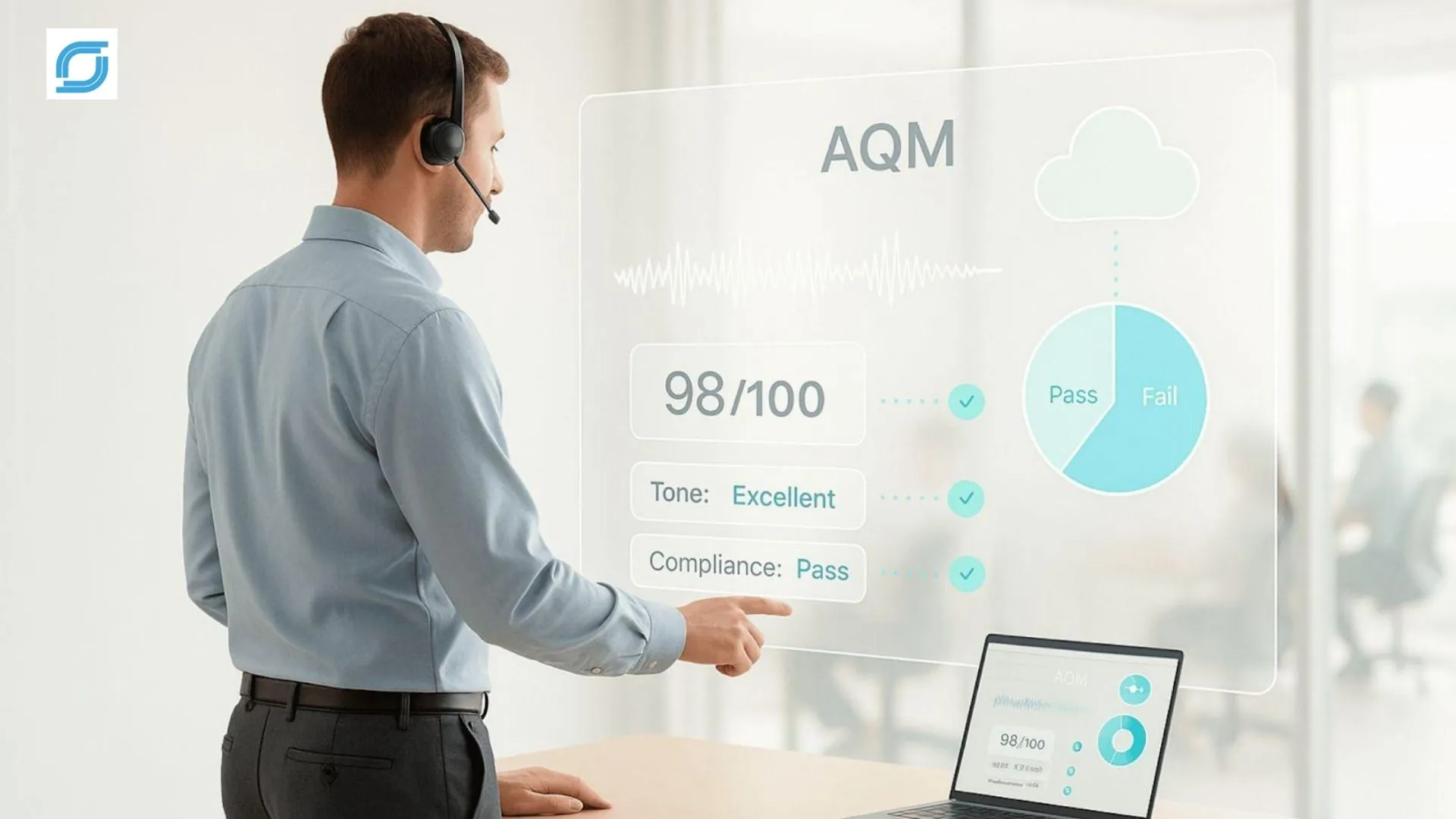
As part of our telecom customer care services, Sequential Tech delivers US-based telecom customer support built for scale, speed, and compliance. Our teams handle customer care, technical support, billing, activations, retention, and fraud management across the full subscriber journey. In addition, we pair skilled agents with AI-powered quality tools that lift first-call resolution and reduce churn. If the signs above feel familiar, our telecom support outsourcing solutions can help you protect revenue and win customers back.