
Your telecom AI model is only as good as the person who labeled its training data, and in 2026, that person can cost anywhere from $4 an hour to $165,000 a year, depending on where you look. For carriers, MVNOs, and telecom technology vendors racing to train voice AI, fraud models, and network-vision systems, the telecom data annotation outsourcing decision is no longer a back-office detail. It is the line item that decides whether an AI roadmap ships on budget or stalls in a hiring queue.
Why Telecom Data Annotation Is Harder Than It Looks
Telecom training data is not like typical e-commerce or social data. It comes loaded with complexity most annotation vendors never touch:- Multilingual subscriber bases spanning dozens of languages and accents
- Regulated call recordings, billing records, and PII-heavy support transcripts
- Network sensor streams and field-inspection imagery that require domain knowledge to label correctly
- High seasonal spikes tied to device launches, outages, and promotional campaigns
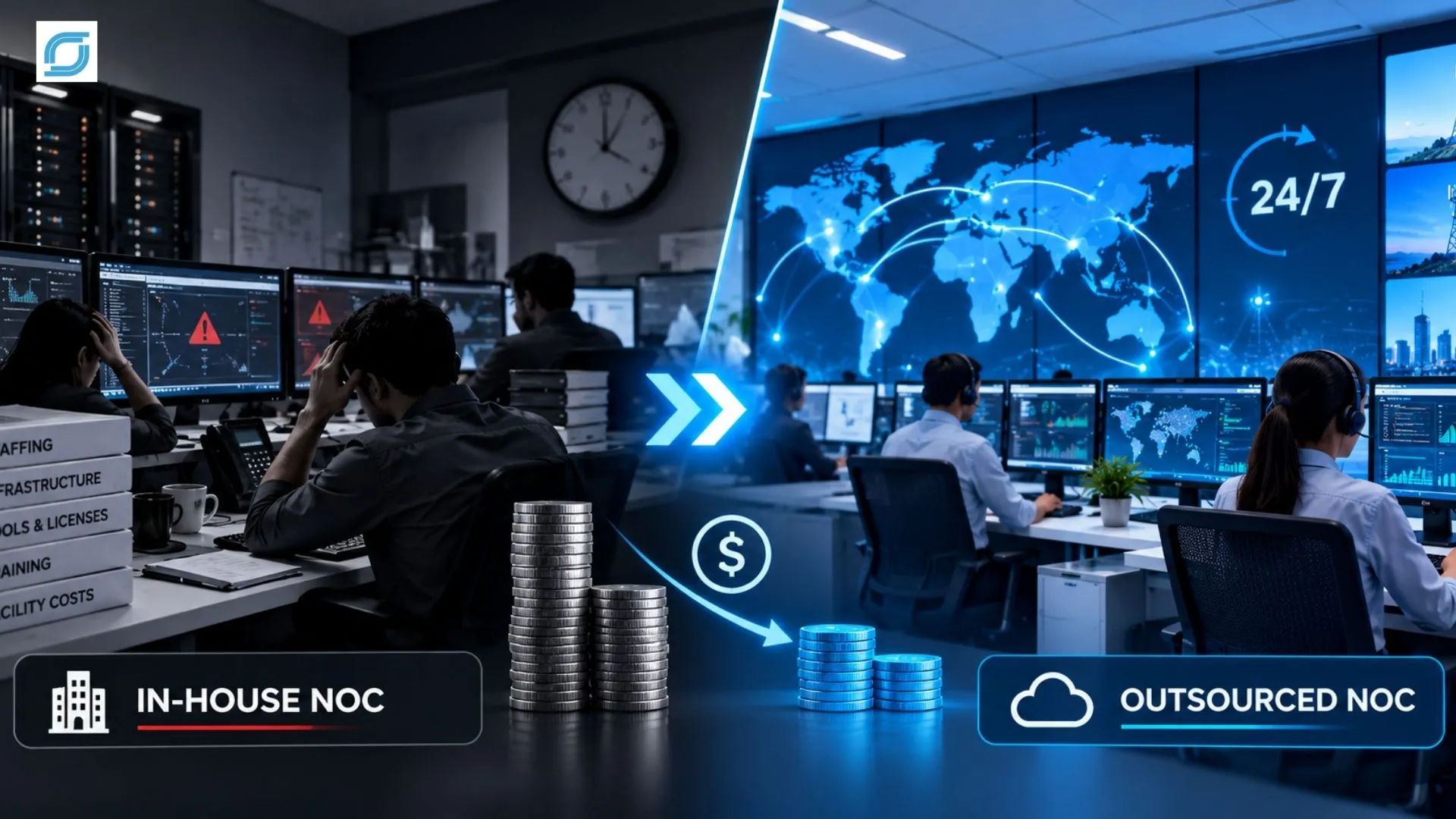
I. The Real Cost of Building an In-House Annotation Team
On paper, hiring in-house feels like the safer, more controlled option. The hidden costs tell a different story. As of mid-2026, U.S. data annotators earn an average base salary in the $44,000–$80,000 range, with specialized AI data annotators trending closer to $108,000–$165,000 depending on skill level and location. Base salary is only the starting point. A fully loaded in-house program also carries:- Benefits, payroll taxes, and PTO, typically adding 25–40% on top of salary
- Recruiting and onboarding costs for a role with high turnover
- Annotation tooling, licensing, and QA infrastructure
- Management overhead to run guidelines, audits, and calibration sessions
- Idle capacity during low-volume periods, since labeling demand is rarely constant
II. What Outsourced Data Annotation Actually Costs in 2026
Outsourced telecom data annotation outsourcing pricing splits into three broad models: per-label, per-hour, and managed-service contracts. Current market rates look like this:Data Annotation Pricing Models: 2026 Rates
A related read is our practical guide to outsourcing data annotation for telecom risk management.
It also helps to understand why crowdsourced labeling breaks telecom AI models before trusting model output.
| Pricing Model | Typical 2026 Rate | Best Fit |
|---|---|---|
| Commodity per-hour labeling | $4 – $12/hour | High-volume, straightforward tagging (intent classification, simple tagging) |
| Specialized/domain per-hour | $50 – $100+/hour | Regulated, technical, or expert-review tasks |
| Per-label/per-unit pricing | $0.02 – $3.00 per item | Image, video, and object-level annotation |
| Enterprise managed contracts | $93,000 – $400,000+/year | Large, ongoing programs needing SLAs and dedicated teams |
III. The Quality Question: Who Labels It Better?
Cost only tells half the story. Quality is where telecom-specific annotation either pays off or falls apart. A generalist crowd-labeling platform can tag a product photo accurately. It struggles far more with:- Distinguishing a genuine billing complaint from routine account chatter
- Reading sentiment across accented, multilingual customer calls
- Correctly bounding a corrosion defect on cell-tower equipment imagery
- Applying telecom-specific guidelines to RLHF ranking for a billing copilot
IV. The Main Pain Points Telecom AI Teams Run Into
Across both in-house and outsourced models, the same friction points keep surfacing for carriers and technology vendors:- Scaling annotation team size up and down with unpredictable data volume tied to launches, outages, or seasonal spikes
- Finding annotators who understand telecom context MACD, provisioning, SIM logistics instead of generic labeling instructions
- Maintaining consistent quality across multiple data types (text, voice, image, video) without gaps between vendors
- Protecting regulated and proprietary data while still moving fast enough to keep AI development on schedule
- Budgeting predictably when per-item and per-hour quotes rarely capture QA, revisions, and management time