A vendor-evaluation guide to data annotation partner selection, with a green-flag or red-flag scorecard for telecom AI buyers comparing providers.
Picking a labelling vendor off a Google search is how telecom AI teams end up retraining a model six months in because the cheapest quote rarely tells you who is actually doing the work. Data annotation partner selection has become a real risk decision in 2026, not a procurement afterthought. Between rising labour-practice scandals across the industry and a flood of new vendors chasing the AI boom, the gap between a real partner and a reseller has never been wider.
Why Data Annotation Partner Selection Is Higher-Stakes for Telecom
Telecom AI projects carry baggage most annotation vendors are not built to handle:
- Regulated call recordings, billing data, and subscriber PII that require strict data-handling controls
- Multilingual, accented voice data that generic crowd platforms consistently mislabel
- Network and field imagery that needs real domain knowledge, not just careful clicking
- Long-running programs where consistency across months matters more than a single fast delivery
Choosing wrong does not just waste a budget line. It can quietly cap model accuracy for a year before anyone notices the pattern in production data, because bad labels rarely fail loudly. They show up later as a chatbot that misreads billing complaints or a vision model that misses a real network fault.
The Real Pain Point: Most Evaluations Miss the Wrong Things
Buyers tend to compare vendors on price per label and turnaround time. Those numbers are easy to compare and mostly beside the point. A 2021 MIT study of widely used AI benchmarks found label errors in every single dataset it tested, averaging a 3.4% error rate, with one popular image dataset carrying errors in roughly 1 in 20 test labels. If that level of noise hides inside benchmarks built by well-funded labs, it should worry any buyer comparing vendors on price alone.
The main pain points that actually decide project outcomes are:
- Vendors that cannot prove quality with real inter-annotator agreement (IAA) data
- Crowd-sourced labor pools with no telecom context and high turnover
- Compliance claims that are not backed by current certifications
- No paid pilot option, so buyers commit before seeing real output
- Labor and sourcing practices that create legal or reputational exposure later
I. Seven Questions That Separate Vendors From Partners
Use these seven questions in every data annotation partner selection process, whether you are evaluating a boutique shop or an enterprise platform:
- Do they have documented telecom or adjacent regulated-industry experience? Ask for sample guidelines from a comparable project, not just a client logo.
- What is their quality assurance methodology? Look for layered review, inter-annotator agreement scoring, and a stated accuracy benchmark, most credible providers commit to 95%+ accuracy with transparent reporting.
- Can they scale up or down without losing quality? Telecom volume spikes around launches and outages; ask how fast the team can flex.
- What is their compliance posture? Request current certifications such as SOC 2, HIPAA, or ISO, not a general statement about taking security seriously.
- Who is actually doing the labeling? A dedicated, trained team behaves very differently from an open crowd marketplace, especially on nuanced telecom judgment calls.
- What are their labour sourcing and worker practices? Recent lawsuits and content-moderation scandals across the annotation industry have made this a genuine legal and reputational question, not just an ethics checkbox.
- Will they run a paid pilot on your actual data before you commit? A vendor confident in its quality will welcome this. One that resists it is telling you something.
II. Green Flags vs. Red Flags in Vendor Evaluation
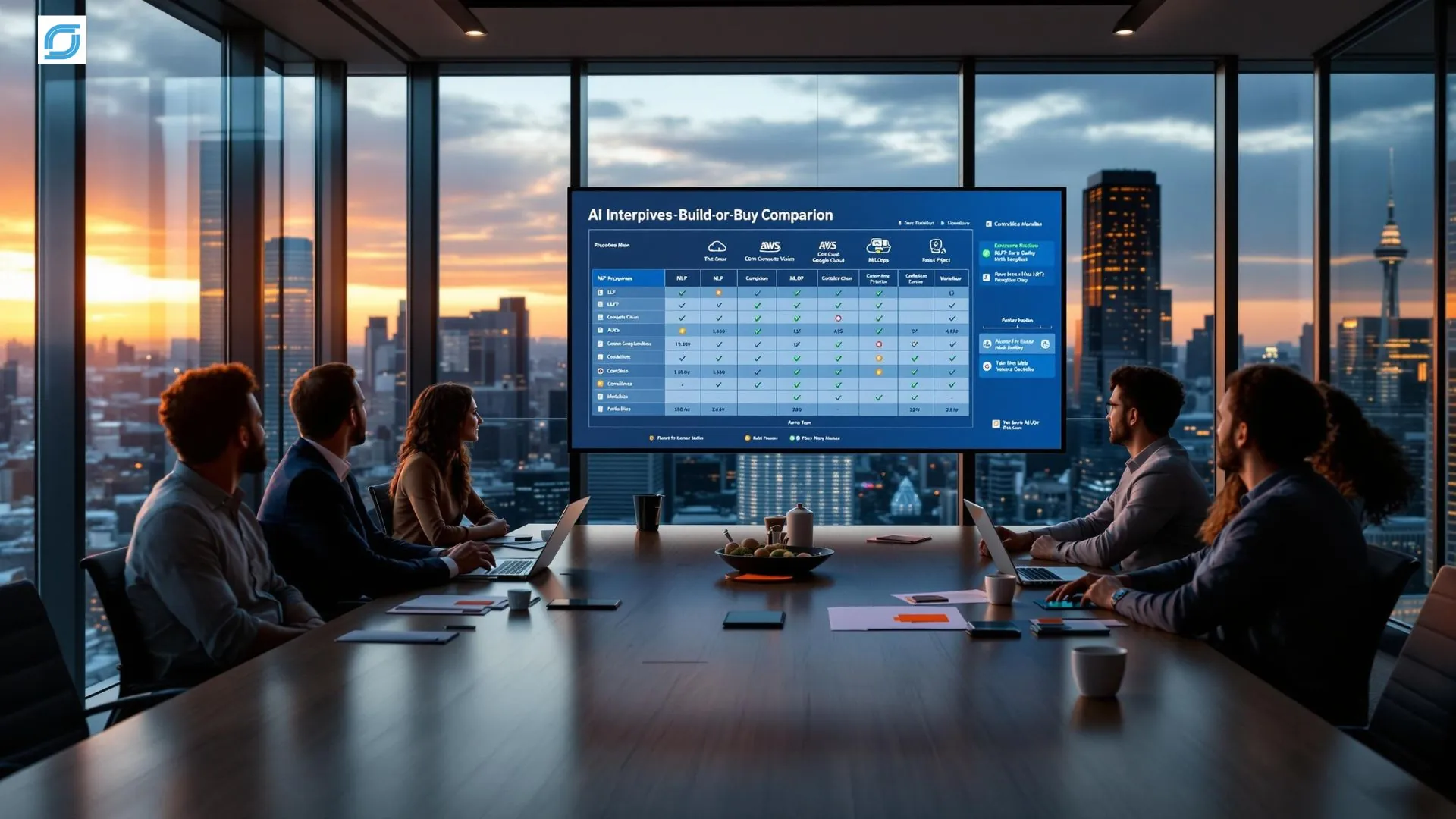
The table below turns those seven questions into fast signals you can watch for during outreach and proposal review:
Vendor Evaluation Scorecard: Green Flags vs. Red Flags
| Evaluation Area | Green Flag | Red Flag |
|---|---|---|
| Quality proof | Shares real IAA data and a sample accuracy report | Offers only marketing case studies, no raw metrics |
| Workforce model | Dedicated, trained team assigned to your project | Anonymous crowd pool with high turnover |
| Compliance | Current SOC 2, HIPAA, or ISO certification on request | Vague reassurance with no documentation |
| Domain fit | Telecom or regulated-industry sample guidelines available | Generic labeling examples only |
| Pilot process | Offers a paid pilot on your real data | Pushes straight to a full contract |
| Labor practices | Transparent sourcing and fair-pay policy | Refuses to discuss workforce sourcing |
| Scalability | Documented surge capacity and ramp timelines | No clear answer on scaling speed |
Where Pricing Fits Into the Decision
Comparing data annotation pricing models matters, but only after quality and compliance clear the bar. A slightly higher hourly rate from a dedicated, telecom-aware team is often cheaper in total cost than a low bid from generic data labeling companies once rework, delays, and compliance risk are factored in. Treat price as the last filter, not the first. Ask every shortlisted vendor for the same breakdown — per-label, per-hour, and managed-service rates, so the comparison is apples to apples instead of three different pricing structures dressed up as one number.
Why “Annotation Service Provider” Is the Wrong Category to Search
Many buyers start by searching for annotation service providers as if it were a single interchangeable category. In practice, the market splits sharply between high-volume crowd platforms built for simple commodity tasks and dedicated teams built for regulated, high-context industries like telecom. An AI training data vendor built for e-commerce tagging is not automatically equipped to label a billing dispute transcript or a cell-tower defect image correctly. Matching the vendor type to the task is as important as any single question on the list above.
RUN A PAID PILOT BEFORE YOU COMMIT TO A DATA ANNOTATION PARTNER
Sequential Tech runs dedicated, telecom-trained annotation teams across text, image, video, audio, RLHF, and physical AI training data, backed by layered QA, transparent inter-annotator agreement reporting, and security-first data handling with current compliance certifications. As part of the Fusion CX Group, Sequential Tech also operates live telecom customer experience programs, giving its annotation teams real subscriber-interaction context that a generic vendor cannot replicate.