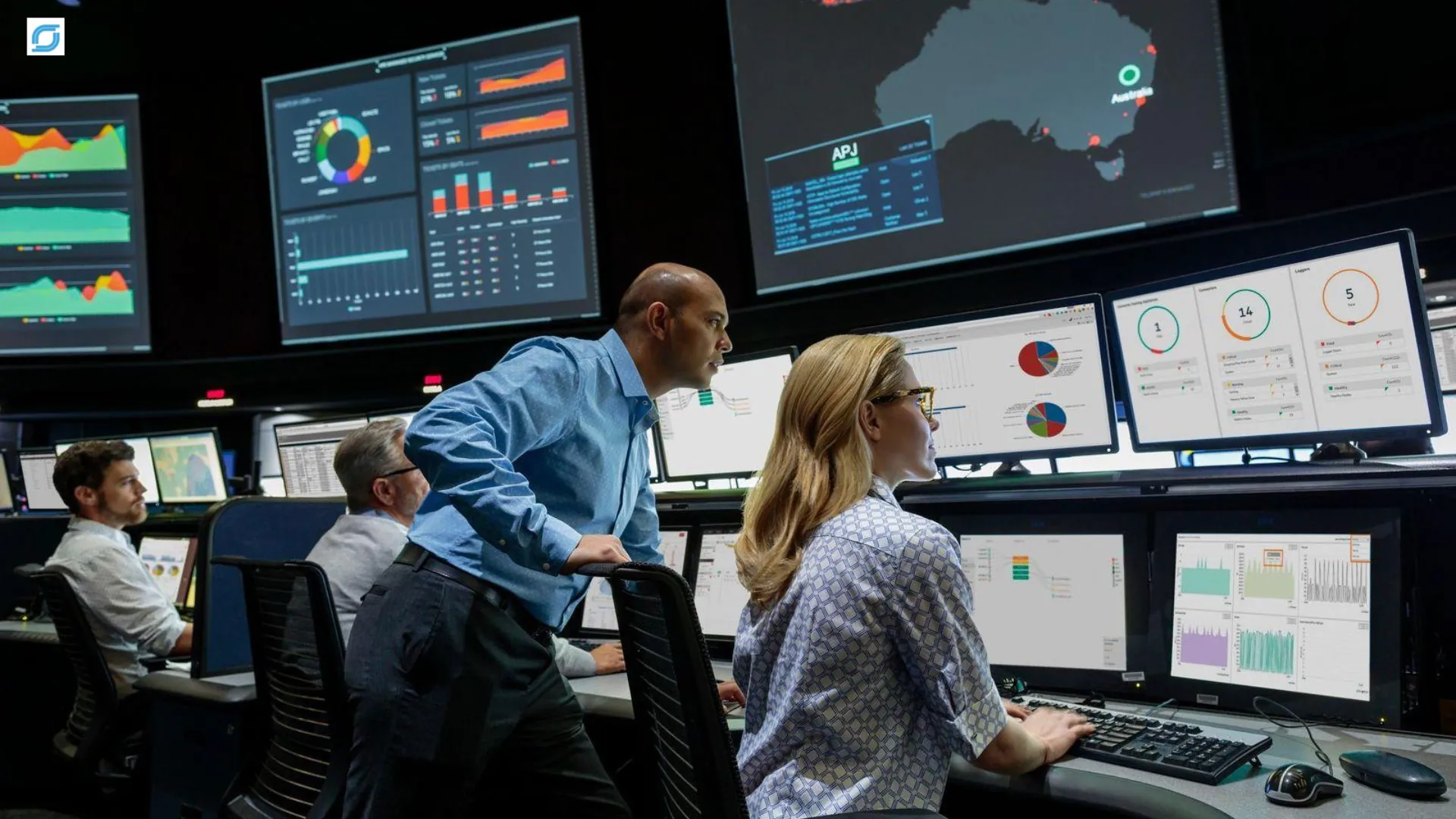

How telecom activation services combine trained analysts, structured pre-checks, and real-time validation to reduce fallout and speed up compliant day-one turn-ups.
Activation fallout quietly drains telecom margins. Every stalled order costs money. A failed SIM, a rejected port, or a bad address triggers a truck roll or a support call. Often, the customer churns before the relationship even starts. Software alone rarely fixes this. Instead, the fix is a disciplined operating layer. It catches errors early and clears exceptions fast.
That is exactly where telecom activation services prove their worth. They unify KYC checks, order validation, provisioning, porting, and device setup into one flow. As a result, a fragmented hand-off becomes a predictable, auditable process. Moreover, Sequential Tech brings 20+ years of telecom experience to this work. Trained analysts work inside the carrier’s own systems. Therefore, they verify each step, clear each exception, and deliver clean day-one turn-ups across mobile, broadband, IPTV, VoIP, IoT, and enterprise circuits.
Reducing fallout depends on the whole activation chain — how activation desks actually run, low-reject SIM registration, and outsourced provisioning that speeds turn-ups.
Where Activation Fallout Actually Comes From
Fallout is rarely random. Instead, it clusters around a few predictable failure points. Fortunately, an experienced analyst can intercept each one. The table below maps the common sources. In addition, it shows where they start and how a structured flow stops them early.
|
Fallout Source |
Where It Starts |
Typical Impact |
How Activation Services Prevent It |
|---|---|---|---|
|
Incomplete or invalid KYC |
Sales capture or signup |
Compliance hold, delay |
Validate documents and ID before submission |
|
Address or serviceability mismatch |
Broadband orders |
Failed install, truck roll |
Check the address and serviceability first |
|
Port rejection |
Number porting requests |
Customer left without service |
Run a port eligibility check up front |
|
Wrong device profile |
Device provisioning |
Service works only partly |
Verify the profile, APN, and settings |
|
Order data errors |
Manual entry |
Provisioning failure, rework |
Validate every order field early |
The Pre-Check Discipline Behind Day-One Success
The biggest lever is simple. Move verification upstream. Therefore, a good service runs a structured pre-check before any provisioning command goes out. First, an analyst confirms identity. Next, they validate the order field by field. Then they check serviceability and match the device profile to the plan. Each gate is a checkpoint. As a result, the analyst clears it or escalates it.
This discipline separates a fast activation from a fragile one. Speed without checks just pushes the failure to day one. In contrast, verified speed turns up service correctly the first time. Ultimately, that is the only metric the customer actually feels.
“ “Fallout is almost never a technology failure. Instead, it is a verification gap. Orders fail when nobody checks the identity, the address, or the device first. Close that gap, and fallout drops on its own.” — Telecom Activation Operations Report, 2026
Scaling Activation Capacity to Match Demand
Activation volume rarely stays flat. Launches, device releases, and seasonal peaks create surges. However, an in-house team cannot staff for those peaks all year. Therefore, Sequential Tech scales analyst teams to the demand curve. Teams ramp up for launches, then scale back as volume settles. As a result, operators get the capacity each cycle needs without permanent headcount. Meanwhile, real-time dashboards track fallout, turn-up time, and exception backlog. So managers can rebalance work the moment a bottleneck appears.
CUT ACTIVATION FALLOUT AND TURN UP SERVICE RIGHT THE FIRST TIME
Sequential Tech’s activation analysts verify identity, validate every order, and clear every exception before provisioning. As a result, day-one service works the first time, every time.