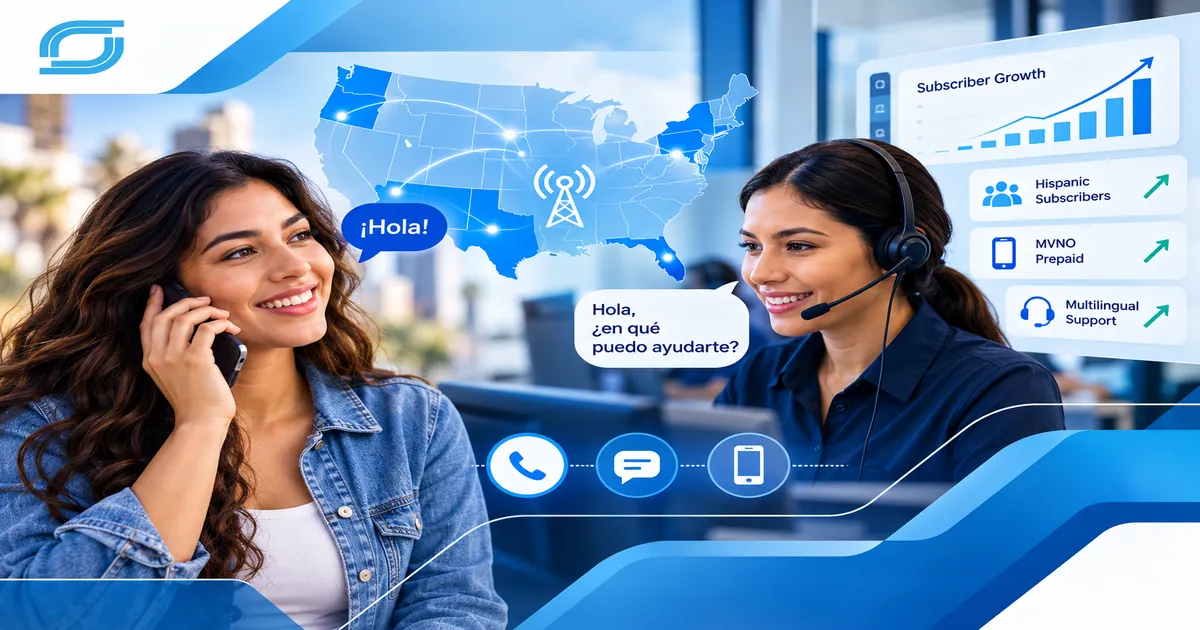

Telecom debt recovery has run on one assumption for decades: pressure produces payment. The louder the demand and the more frequent the contact, the more likely the subscriber pays. In 2026, that assumption is not just outdated. It is destructive. Aggressive tactics erode brand trust, invite regulatory scrutiny, and, oddly, lower recovery rates. They push delinquent subscribers toward permanent disconnection instead of a payment plan. So empathetic debt recovery for MNOs now replaces the adversarial model with a behavioral one. It starts from a simple insight: most delinquent telecom subscribers want to pay.
These subscribers face temporary financial stress, billing confusion, or service frustration, not bad intent. When the collections process recognizes that and responds with structured empathy, recovery rates rise, churn falls, and collection costs drop sharply. This approach also fits CFPB oversight of debt collection practices, which increasingly scrutinizes aggressive contact patterns.
Empathy scales when subscribers can act on their own terms — more on letting subscribers resolve balances themselves.
Why Aggressive Collections Fails Telecom Providers
The economics of aggressive collections in telecom are getting worse. Subscriber acquisition costs for MNOs run $300 to $500 per customer. Every subscriber who disconnects for good over aggressive collections is not just an unrecovered debt. It is a total loss of the acquisition investment and all future revenue. Once operators count that, aggressive collections often spends more than the debt it recovers.
Regulatory pressure makes it worse. TCPA limits contact frequency and channels. Reg F governs communication practices. State consumer-protection laws add more. Recent analysis shows FDCPA cases rose 36% in late 2025 alone. Every aggressive contact that crosses a line can trigger penalties larger than the whole delinquent portfolio.
Empathetic vs. Aggressive Recovery: How Outcomes Compare
The empathetic model beats aggressive collections on every measure. Cost per dollar recovered drops by more than half, and subscriber retention roughly triples.
How Empathetic Debt Recovery for MNOs Works in Practice
Empathetic debt recovery for MNOs is not soft collections. It is strategic. The framework uses predictive behavioral models to segment delinquent subscribers by likelihood to pay, reason for delinquency, and best contact strategy. The response then fits the situation:
- Subscribers under temporary financial stress get payment-arrangement offers.
- Subscribers confused by billing get proactive explanations.
- Dissatisfied subscribers get a retention-focused resolution before any talk of payment.
Sequential Tech’s collections agents train as financial empathy specialists. They know the person on the call is often stressed, embarrassed, or frustrated. The agent’s first goal is not to secure payment. It is to understand the situation, acknowledge the subscriber’s reality, and design a path forward together. Payment follows from resolution, not from pressure.
“The most effective collections agent in 2026 is not the one who closes the most payments. It is the one who retains the most subscribers while recovering the most revenue. Those two objectives are not in conflict — they are the same objective viewed correctly.” — Collections Industry Benchmark Report, 2026
Predictive Segmentation: Matching the Approach to Each Subscriber
Not every delinquent subscriber needs the same approach. Predictive models analyze payment history, usage patterns, engagement, and demographic signals. Each subscriber then gets an optimal recovery path. High-probability payers get gentle reminders with self-service payment. Medium-probability subscribers get personalized outreach with flexible arrangements. Low-probability accounts get structured retention conversations before any escalation.
This lifts agent efficiency sharply. Instead of one script for every account, agents enter each call with a data-informed strategy for that subscriber. Calls run shorter, resolution rates climb, and outcomes improve. The CFPB’s 2025 complaint analysis shows debt-collection complaints jumped 86% year over year. That makes an empathy-driven approach not just smart but regulatorily essential.
The Retention Dividend: Why Recovered Subscribers Are Worth More
The most overlooked metric in telecom collections is the lifetime value of a recovered subscriber. A subscriber who goes through an empathetic recovery and returns to good standing is often more loyal than one who never fell behind. They have seen the provider work with them during a hard time. That builds emotional loyalty no promo price can match.
Recovered subscribers also drive positive word of mouth and lower future acquisition costs. Every empathetic recovery is both a collection and a retention event. So the ROI of empathy reaches far beyond the debt recovered. It compounds across the subscriber’s remaining lifetime with the provider.
Delivered across two segments and two centers for a leading US wireless operator.
Recover More Revenue While Retaining More Subscribers
As part of our telecom collections services, Sequential Tech’s empathetic debt recovery for MNOs combines predictive segmentation with financial empathy training. It raises recovery rates, lowers costs, and protects the subscriber base. With behavioral modeling, structured agent training, and compliance-aligned contact strategies, providers turn collections from an adversarial cost center into a retention engine.