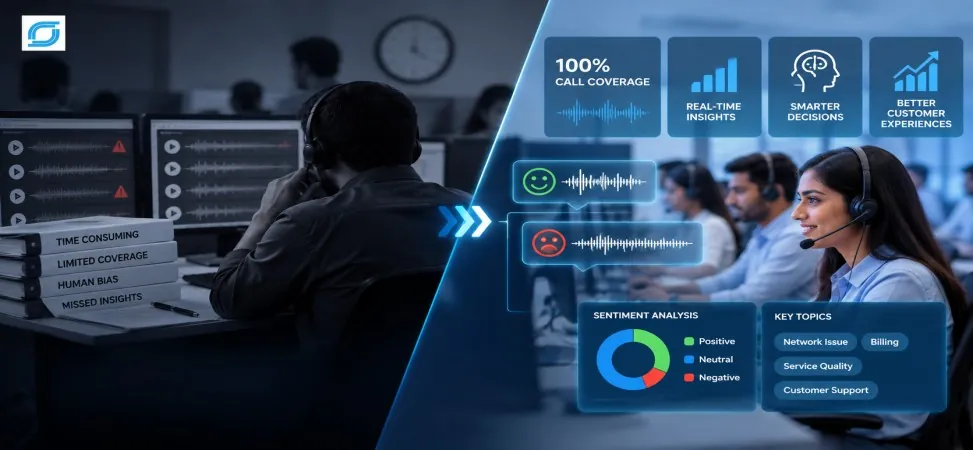

AI-driven support helps telecom providers manage complex 5G use cases like IoT, network slicing, and edge computing. It positions Sequential Tech as the BPO partner that turns 5G support complexity into a competitive edge.
5G is no longer a future promise. It is an operational reality, reshaping industries from healthcare to manufacturing. Most of the talk centers on speed and bandwidth. But the real challenge lies elsewhere. Providers and enterprises must now build 5G use cases support operations strong enough to handle a new level of service complexity.
5G is not just faster 4G. It adds capabilities like network slicing, ultra-reliable low-latency communication (URLLC), and massive machine-type communication (mMTC). Together, these power many use cases at once. And each use case is unique. A fleet of delivery robots and a remote surgery platform need very different support. Each one demands specialized knowledge, real-time monitoring, and fast incident response.
This article shows how scalable support operations sit at the heart of every 5G deployment. It explains why traditional support models fall short. Then it lays out what operators and BPO partners must do to close the gap.
Scaling for new use cases means getting the support model right — training contact centers before 5G calls arrive, reducing 5G support costs without breaking SLAs, and private 5G enterprise support.
Why 5G Use Cases Demand a New Support Paradigm
Traditional telecom support was built around a simple value chain: voice calls, SMS, and mobile data. Troubleshooting followed predictable patterns. Most issues could be solved with standard scripts and tier-based escalation.
5G breaks this model. A single operator may now support dozens of use cases at once. Each one has its own performance needs and failure modes. Consider the diversity involved:
- IoT and smart devices create millions of low-bandwidth connections. These need automated monitoring and fault detection at scale, not manual troubleshooting.
- Private 5G networks need dedicated teams. Those teams must know on-premise infrastructure, SLA enforcement, and industry compliance.
- Edge computing moves processing closer to users. This adds new failure points at edge nodes that central NOC teams are not built to handle.
- Network slicing creates virtual, purpose-built networks on shared infrastructure. But each slice needs its own monitoring, performance management, and issue resolution.
The complexity grows when these use cases overlap in one account. A smart factory may use network slicing for its robotics line, edge computing for quality inspection, and IoT for environmental sensors, all at once. Support teams must manage this overlap without creating silos or bottlenecks.
The Scalability Imperative: From Reactive to Proactive Support
Legacy support models are reactive by design. A customer reports a problem. An agent logs a ticket. The issue moves through an escalation chain. This approach cannot meet the demands of 5G use cases support operations. In a connected vehicle network or a remote healthcare system, downtime has immediate, real consequences.
Scalable 5G support must shift from reactive tickets to proactive service assurance. That shift rests on three core changes.
AI-Driven Monitoring and Predictive Analytics
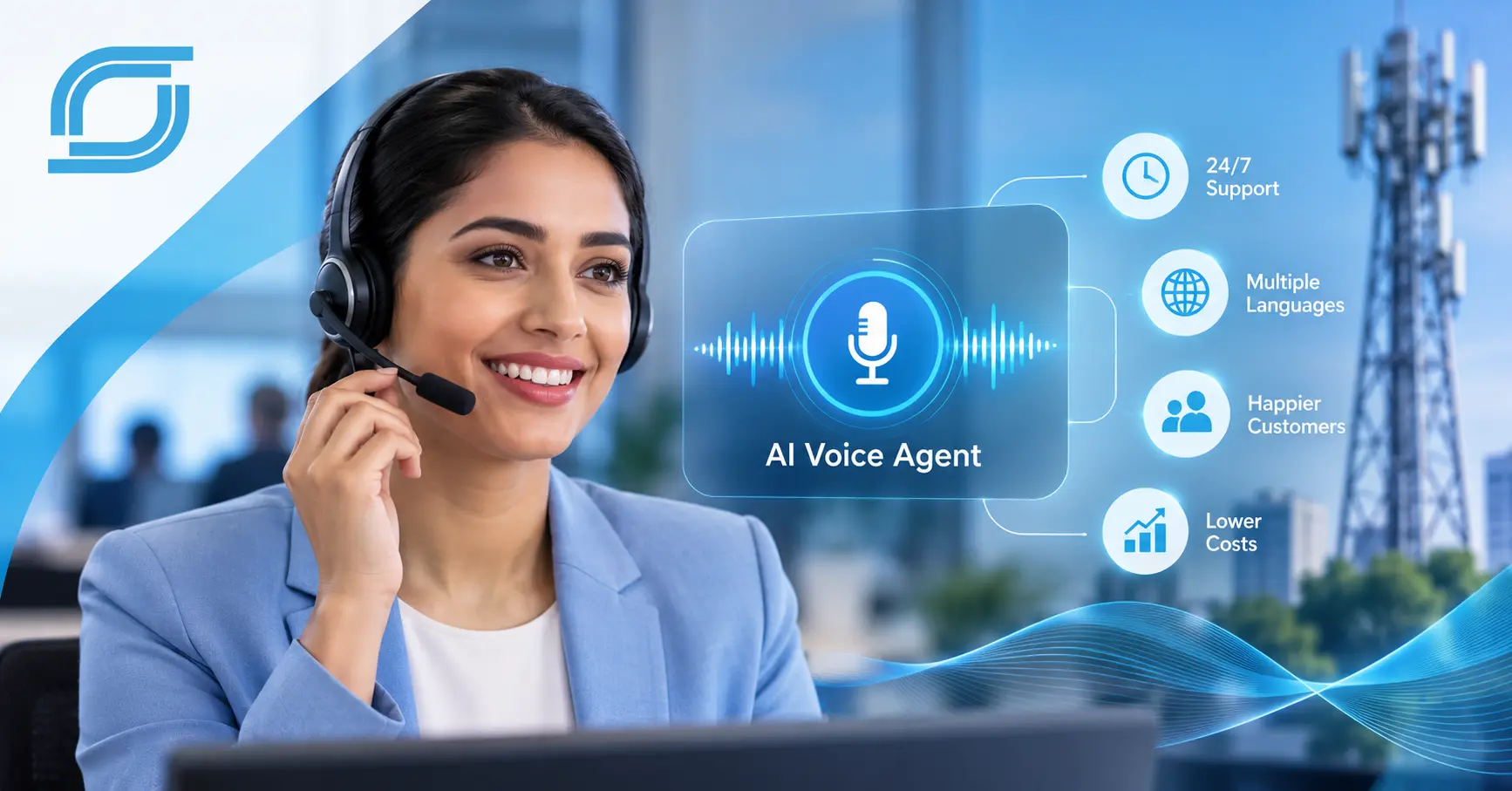
Modern support uses AI to monitor network performance across every active 5G use case in real time. Predictive analytics spot problems early, before they reach the customer.
Take a smart city deployment. An AI system might detect latency spikes at certain edge nodes during peak hours. It can then start a fix before connected traffic systems are affected.
This is not optional. When 5G powers mission-critical apps, support must detect and resolve issues faster than any human-only workflow can.
Intelligent Routing and Specialized Support Tiers
Not every 5G issue suits a generalist agent. A consumer smartphone problem is very different from a network slice misconfiguration on an enterprise line.
Scalable support uses intelligent routing. It sorts each issue by use case, severity, and technical domain. Then it sends the issue to the right specialist team. This cuts resolution time and improves first-contact resolution. It also makes sure high-value accounts get the expertise they need.
Unified Dashboards for Multi-Use-Case Visibility
Agents in 5G environments need one clear view across all active use cases. A unified dashboard shows IoT device health, edge node performance, slice usage, and SLA status on a single screen. This speeds up diagnosis and leads to better decisions.
Without it, agents switch between siloed tools and piece together data by hand. That delay does not fit 5G service expectations.
Building the 5G Support Operations Framework
Operators and their BPO partners cannot just bolt 5G onto old support systems. The framework must be purpose-built for the demands of diverse 5G deployments.
Workforce Transformation and Upskilling
People remain central to strong 5G support. Agents must understand network slicing, edge computing, and IoT protocols, on top of standard telecom troubleshooting. This calls for structured upskilling. Training should go beyond products to include scenario-based learning tied to real deployments.
Cross-functional training matters too. Agents on enterprise 5G accounts should know vertical-specific needs. For example, latency limits differ between a telemedicine app and an augmented reality retail experience.
Automation at the Edge of Support
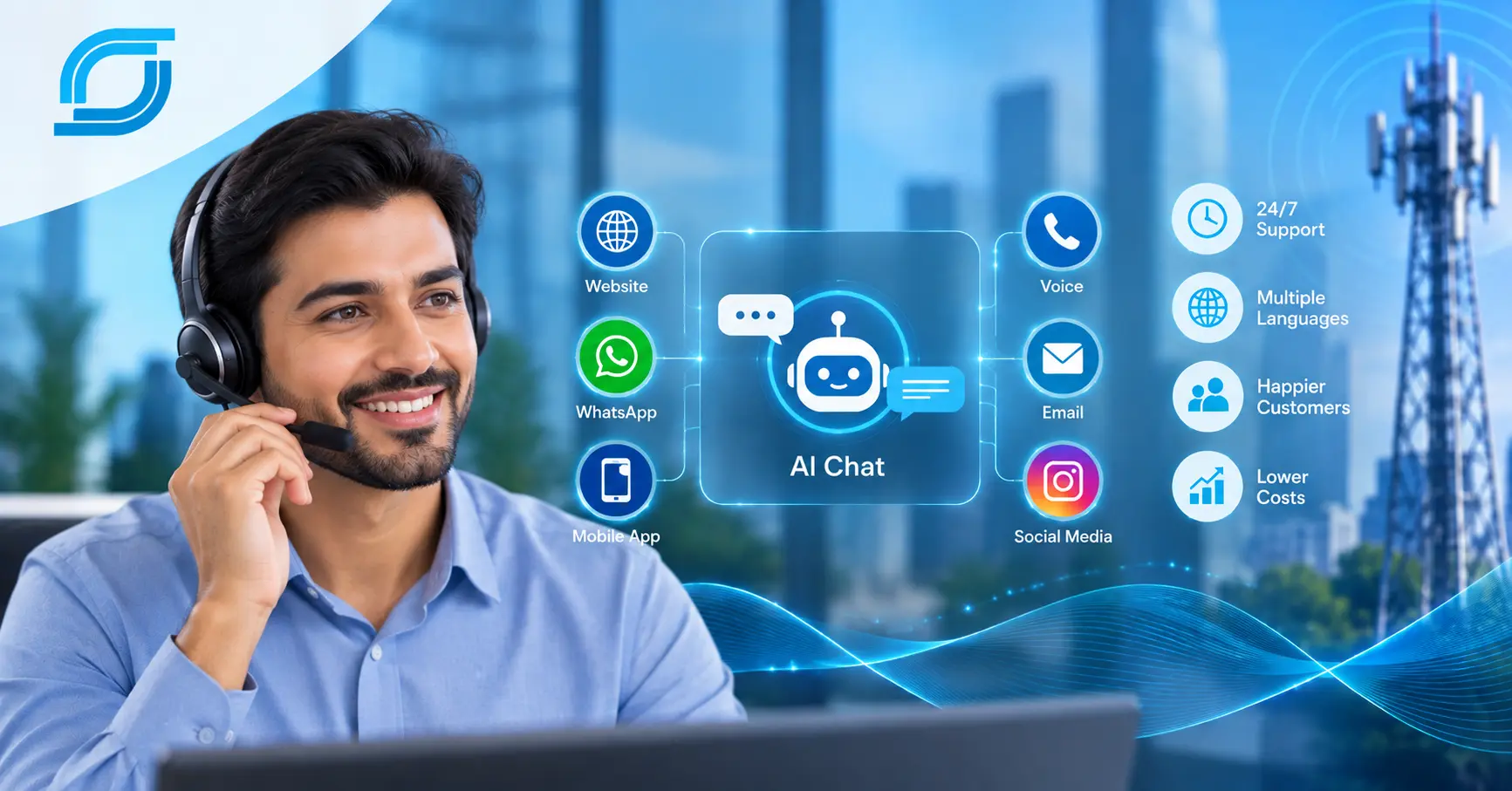
Automation plays two roles in 5G support. At the front line, AI chatbots and virtual assistants handle routine tasks: simple connectivity checks, device provisioning, and account management. This frees human agents for complex issues.
Behind the scenes, automated workflows handle repetitive work. Examples include slice provisioning, IoT device onboarding, firmware updates, and compliance reporting. Robotic process automation (RPA) tied to network platforms can run these tasks at scale, with no human input. This lowers costs and improves consistency.
The key is knowing where automation ends and people begin. Mission-critical escalations, SLA breach fixes, and enterprise relationships still need skilled agents. These agents balance technical and commercial demands at the same time.
SLA-Driven Support Models
5G use cases carry very different service expectations. A consumer streaming video can accept some buffering. An autonomous vehicle cannot accept a network handoff delay. Support must be built around SLA tiers that reflect this.
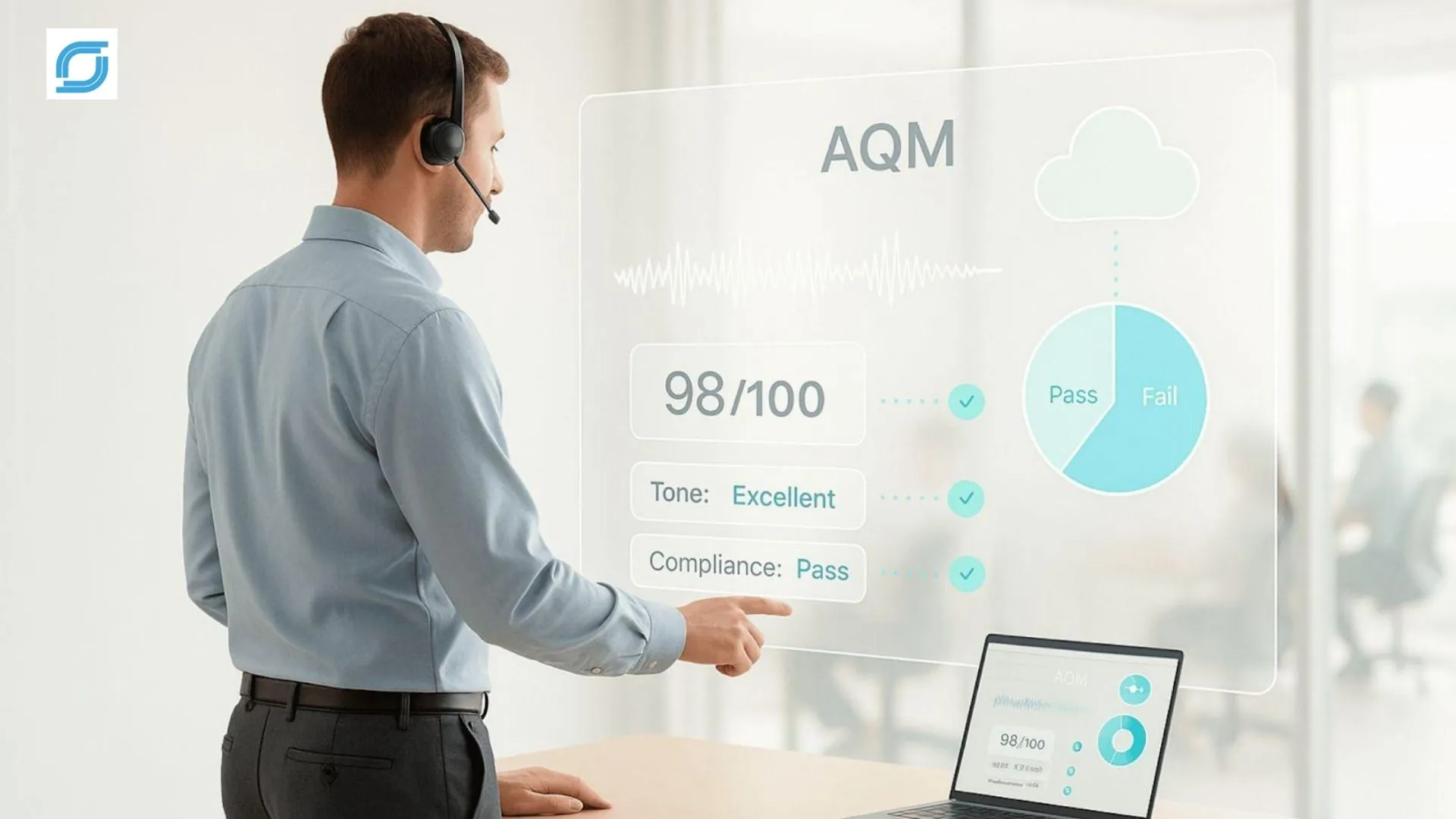
That means setting resolution targets, escalation paths, and communication rules for each use case. It also means real-time SLA monitoring. Automated alerts and escalations should fire when performance is at risk.
Traditional Telecom Support vs. 5G Multi-Use-Case Support
Understanding the gap between legacy and 5G-ready support shows why change is necessary.
The comparison makes one thing clear. Operators who stretch legacy support across 5G deployments will face rising costs, lower customer satisfaction, and missed enterprise SLAs.
The Role of Telecom BPO in Scaling 5G Support
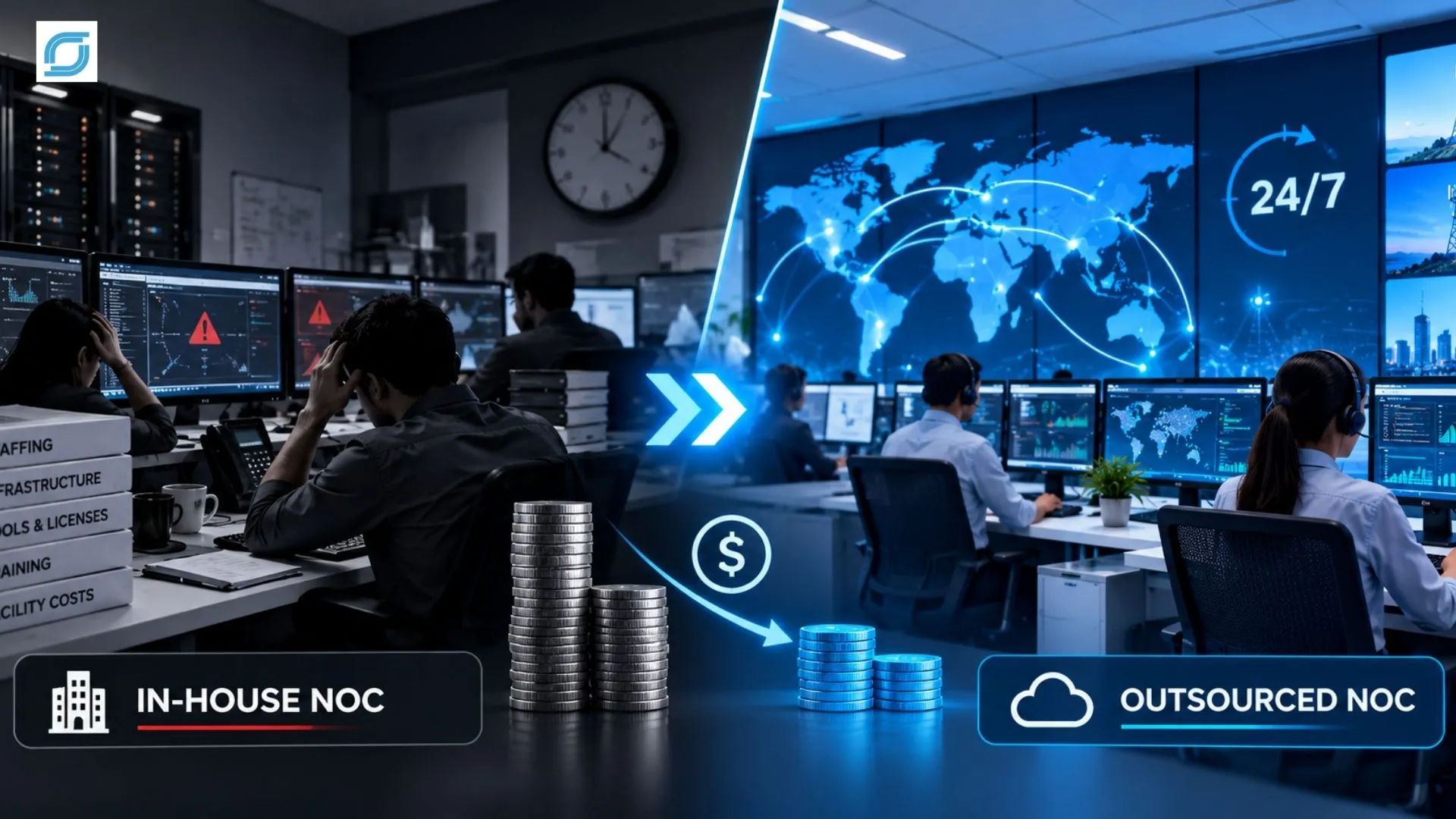
Many operators lack the internal resources to build and run 5G-ready support at scale. This is where specialized telecom BPO partners come in.
A capable BPO partner brings clear advantages to 5G support:
- Pre-built support frameworks that adapt to specific 5G deployments.
- Talent pools already trained in next-generation telecom technologies.
- Elastic scaling to expand or contract support as use cases launch or demand shifts.
The best BPO partnerships go beyond cost savings. They act as strategic extensions of the operator’s team. They feed insights back into the product, flag recurring failure patterns, and suggest improvements drawn from many clients.
Measuring Success: KPIs for 5G Support Operations
Scalable 5G support needs metrics built for multi-use-case environments. Traditional KPIs like average handle time and abandonment rate still matter. But on their own, they are not enough.
Operators should track a few use-case-aware metrics:
- Use-case first-contact resolution: how well specialist teams solve issues in their domain.
- SLA compliance per network slice or account: whether differentiated support models deliver.
- Proactive detection ratio: how often support fixes problems before customers notice. This reflects the maturity of AI monitoring.
- Customer effort score by use case: whether the support experience matches the service.
An enterprise running a private 5G network expects a very different experience than a consumer with a 5G phone. Measurement must capture that difference.
Looking Ahead: Support Operations as a Competitive Differentiator
As 5G use cases grow, support quality will shape competitive outcomes. Operators who invest in scalable, intelligent, and specialized support will keep enterprise customers. They will speed up new use case adoption. And they will build the resilience needed for the next wave of connected innovation.
Operators who treat support as a cost to cut will struggle to deliver on 5G. When every competitor offers similar speeds, reliable and responsive support becomes the edge that matters most.
5G use cases support operations are not a back-office function. They are the operational foundation for the entire 5G value proposition.
Sequential Tech helps operators and enterprises build future-ready support ecosystems for the complexity of 5G, from AI-driven monitoring and intelligent routing to fully managed, scalable contact center operations. Ready to turn your 5G support into a competitive advantage? Get in touch with Sequential Tech today and see how the right partner turns 5G potential into lasting business value.